

A weekend of defiance, missile fire, and urgent phone calls left the Middle East teetering on the edge once again, with President Donald Trump forced to issue an extraordinary ultimatum to one of America’s closest allies.
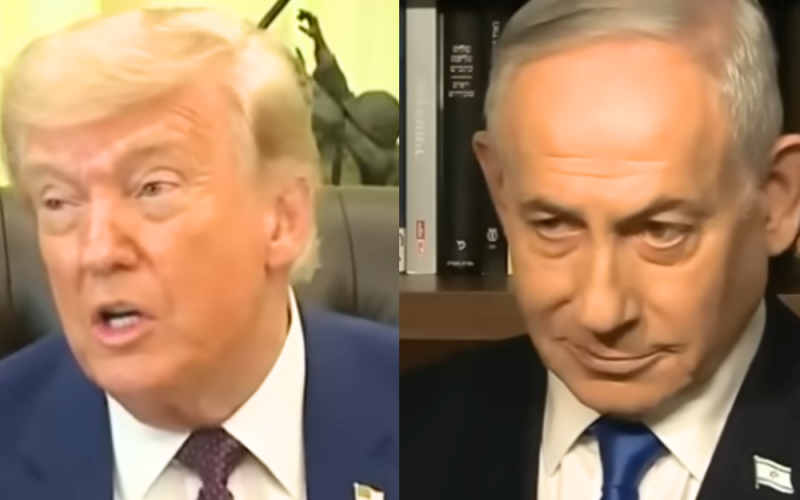
Trump picked up the phone and delivered an unmistakable message to Israeli Prime Minister Benjamin Netanyahu on Monday. “Bibi, you better be careful, or you will be on your own very soon,” the President said, according to Axios.
The warning came after a volatile stretch in which Netanyahu twice moved forward with military action despite direct requests from Trump to stand down.
Sunday morning, Israel launched a strike on a residential building in Beirut, Lebanon. Two people died. Twenty more were wounded, Lebanon’s health ministry confirmed.
The attack came even after Trump had privately warned Netanyahu against targeting Lebanon’s capital, reportedly telling him he was “f***ing crazy” for considering strikes there.
Iran had drawn a clear line: hit Lebanon, and Tehran would respond. The regime kept its word.
Iranian forces launched a wave of missiles at Israel over the weekend in direct retaliation for the Beirut strike and Israel’s ongoing shelling of Hezbollah — the Tehran-backed militant group operating in Lebanon.
Netanyahu then set his sights on Iran. Trump called the Israeli prime minister Sunday evening and asked him not to retaliate. Netanyahu moved forward anyway.
“The Israeli Air Force struck military targets belonging to the Iranian terror regime in western and central Iran,” the IDF announced in an official statement.
One of the facilities destroyed was a petrochemical plant in Mahshahr, located in southwestern Iran near the northern coast of the Persian Gulf. Both Israeli and Iranian state media confirmed the complex sustained damage.
The two nations then exchanged further strikes before both sides ultimately complied with Trump’s demand to stand down, returning the region to an uneasy and fragile calm.
By Monday, Trump had gone public with his frustration, posting on Truth Social and ordering both countries to “immediately stop shooting.”
Israel and Iran each acknowledged the directive and signaled a temporary halt — while making clear that any provocation could restart the fighting instantly.
Behind the scenes, Netanyahu had been assembling plans for what officials described as the most intense Israeli assault on Iran since April.
That operation was called off only after Trump’s Monday phone call delivered the bluntest possible message: fall in line, or face isolation.
The stakes extend well beyond the battlefield.
Ongoing negotiations between the United States, Israel, and Iran center on two critical issues — Tehran’s nuclear program and the reopening of the Strait of Hormuz, a narrow waterway through which global supplies of oil, natural gas, and fertilizer flow.
Trump has held firm on one non-negotiable condition: Iran will not obtain a nuclear weapon. No deal gets done otherwise.
But the President is absorbing serious political heat at home.
The national average for a gallon of gasoline now stands at $4.20 — a sharp climb from $2.98 before the conflict began. With midterm elections arriving in November, every cent at the pump carries political consequences.
Administration officials have repeatedly suggested a long-term agreement with Iran is within reach. The situation on the ground, however, has yet to reflect that optimism.
The relationship between Trump and Netanyahu — long considered one of the strongest in American-Israeli diplomatic history — now appears to be under genuine strain, tested by competing military objectives and a peace process that neither war nor defiance has managed to derail entirely.
