

A wave of public anger has erupted in one of Seattle’s most historic neighborhoods, where residents say they have been abandoned while the rest of the city cashes in on the World Cup spotlight.
The Chinatown-International District, along with the adjacent Little Saigon area, sits less than a mile from Lumen Field, where the U.S. faced off against Belgium in one of the tournament’s marquee matchups.
Yet instead of celebrating a surge in visitors, shop owners in the district describe empty sidewalks and vanishing customers, a stark contrast to the crowds packing other parts of downtown Seattle.
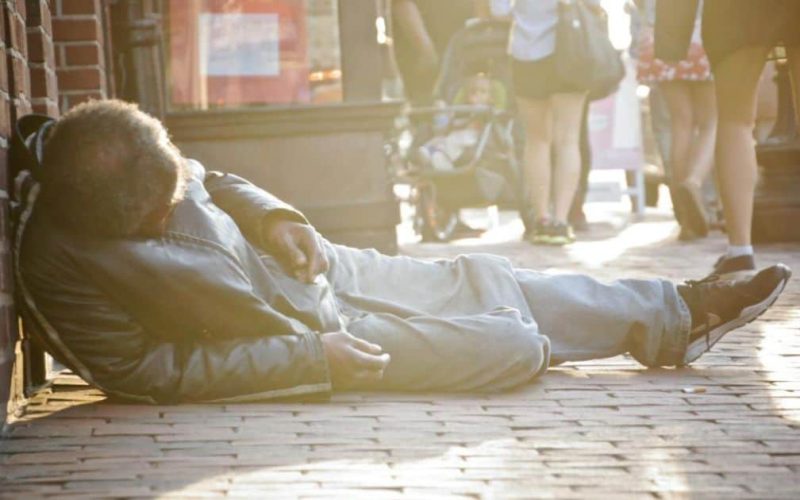
Anger over the disparity has now boiled over into open demonstrations against Mayor Katie Wilson, with community members accusing her administration of allowing crime and drug activity to fester in their neighborhood for years.
Gary Lee, an advocate for the district, took to a microphone during one demonstration and delivered a scathing indictment of the mayor’s priorities.
Lee charged that Wilson “claims to be an advocate for marginalized communities of color, but all she did was turn the CID into a human dumping ground and we’ve had enough,” according to a report from KIRO 7.
He continued his criticism in a separate interview, painting a picture of a neighborhood left behind while nearby areas thrive.
“When I look at the TV, I see that the waterfront is jampacked, Pioneer Square is jampacked. When I go over to Chinatown, it’s just like dead,” Lee said.
Lee summed up the mood among business owners with a grim description of how the once-bustling district now feels.
“I hate to say it, but it feels like a ghost town,” he said.
Wilson’s office was contacted directly by Fox News Digital for a response to the growing criticism, but no reply had been issued as of publication.
The mayor did speak previously about the situation, telling reporters that officials had worked to steer World Cup crowds beyond the immediate stadium footprint.
“We’ve definitely seen, like, a lot of energy was put into trying to make sure that as visitors are coming, they are, you know, venturing out of that downtown corridor,” Wilson said.
A written statement later provided to KIRO 7 from Wilson’s office conceded that longstanding problems had gone unresolved in the neighborhood.
The statement acknowledged that “crime and disorder issues in the CID have gone unaddressed for far too long,” while noting the city “continue[s] to work with the CID community to address their concerns and ensure it is a safe, active, and vibrant neighborhood.”
That acknowledgment has done little to quiet critics, who argue the neighborhood’s problems have persisted despite repeated promises of action.
Separately, Fox 13 Seattle reported that former city council member Tanya Woo has emerged as another vocal critic of how the World Cup has played out for the district.
Woo pointed to hard numbers, revealing that many local businesses have seen sales fall between 10 and 20 percent compared to the same period last year.
Rather than wait on city officials, Woo organized her own grassroots response, leading a walk toward the stadium area to draw fans into the district directly.
She described her goal as an effort to “personally invite fans to eat, shop, and experience the Chinatown-International District.”
Woo detailed the disconnect between the tournament’s massive turnout and the district’s economic reality in a public post.
“Many businesses in the Chinatown-International District are reporting sales declines compared to this time last year. Although thousands of FIFA fans are coming to Seattle, our neighborhood has largely become a rideshare pickup and drop-off zone,” she wrote.
In a follow-up post, Woo argued that the neighborhood deserved a share of the tournament’s economic benefits rather than exclusion from them.
“Seattle’s Chinatown International District should be benefiting from the FIFA World Cup, not being left behind,” she wrote.
Seattle has drawn international attention this month as one of the host cities for the World Cup, with massive crowds converging on the city’s stadium and waterfront areas.
But for merchants in the Chinatown-International District, that global attention has translated into little more than passing traffic, as fans arrive by rideshare and leave without ever stepping into local shops or restaurants.
Whether Wilson’s administration follows through on its promises to address the district’s concerns remains an open question as the tournament continues.
For now, activists say they plan to keep pressing the issue through public demonstrations and direct outreach to fans, hoping to salvage some economic benefit from the tournament before it moves on.
