

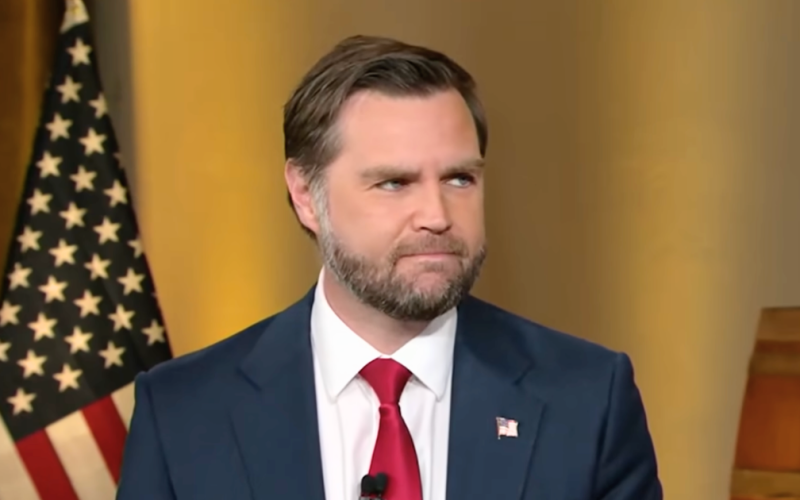
An undercover investigation by conservative journalist James O’Keefe has raised serious security concerns following allegations that a Secret Service agent assigned to Vice President JD Vance disclosed sensitive information about the vice president’s movements and protective arrangements.
O’Keefe reportedly obtained undercover footage appearing to show the agent discussing confidential details connected to Vance’s security.
The allegations center on information about the vice president’s schedule, travel arrangements and whereabouts—details that could pose significant security risks if disclosed without authorization.
The footage has prompted accusations that the agent compromised sensitive information entrusted to the Secret Service.
According to the account shared by O’Keefe, the agent openly discussed security-related information during an undercover encounter.
The central question is why someone responsible for protecting one of the country’s highest-ranking officials would allegedly share information that could undermine that protection.
Secret Service personnel are entrusted with safeguarding the president, vice president and other designated officials. Their responsibilities require discretion about protective operations, particularly information that could reveal an official’s movements or vulnerabilities.
Unauthorized disclosure of such information could create opportunities for individuals seeking to evade security measures or threaten a protectee.
That possibility makes the allegations especially concerning.
O’Keefe, who has built his investigative journalism career around undercover recordings and hidden-camera encounters, is presenting the footage as evidence of a potentially serious security breach.
However, the account provided does not establish whether the recorded individual was authenticated as an active Secret Service agent, whether the information was classified or otherwise restricted, or whether the disclosures violated federal law.
Those distinctions would be central to determining the severity of any misconduct.
The allegations have also prompted accusations of treason, although that is a specific criminal offense under federal law and cannot be established simply by showing that sensitive information was improperly shared.
A determination of criminal wrongdoing would require additional evidence and review by the appropriate authorities.
It is also unclear whether the Secret Service has opened an internal investigation, suspended the individual involved or referred the matter to federal prosecutors.
No official response from the agency was included in the initial account.
The controversy nevertheless raises important questions about the safeguards designed to protect senior government officials.
If the footage is authenticated and the information was disclosed without authorization, investigators would need to determine what was revealed, whether the disclosure created a security vulnerability and whether any operational changes were necessary.
The incident could also prompt scrutiny of how agents handle sensitive information outside their official duties.
For Vance, the allegations concern the integrity of the protective operation surrounding him rather than any action by the vice president himself.
The extent of any potential security compromise remains unknown.
O’Keefe’s reported footage has brought the allegations into public view, but the full circumstances of the encounter, the accuracy of the information discussed and any resulting disciplinary or criminal consequences have yet to be established.
What began as an undercover recording now presents a potentially serious question for the Secret Service: whether an individual entrusted with protecting the vice president disclosed information that should have remained confidential.
