

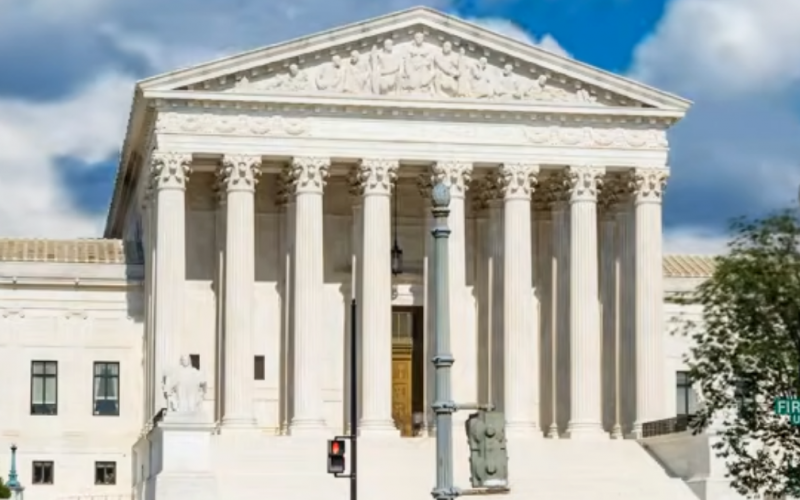
A Supreme Court decision has temporarily preserved nationwide access to abortion medication, allowing mail-order distribution of mifepristone to continue while legal challenges over federal regulatory authority and state abortion laws proceed through the courts.
The ruling keeps in place the current federal framework governing how abortion medication is prescribed and distributed, including telemedicine consultations and pharmacy-based fulfillment.
Those policies were expanded under recent FDA regulatory changes that eliminated long-standing in-person prescribing requirements.
The case sits at the center of a broader post-Roe conflict over who controls abortion policy in practice: federal agencies that regulate drugs nationwide, or states attempting to enforce their own abortion restrictions.
Republican-led states, including Louisiana, argue that remote prescribing and interstate shipment of abortion pills make enforcement significantly more difficult when medications cross state lines into jurisdictions with stricter laws, according to LifeSite News.
The dispute traces back to a 2023 FDA rule change that removed the requirement for an in-person physician visit before mifepristone could be prescribed, allowing certified pharmacies to dispense the drug following remote consultations.
That shift, according to USA Today, marked a major departure from earlier federal standards that required direct medical oversight in clinical settings.
Opponents of the policy argue the change weakened established safeguards around a regulated medical procedure and reduced physician involvement in a drug regimen that can involve complications requiring follow-up care.
They also say the expanded distribution model complicates state enforcement of abortion restrictions, particularly in jurisdictions where the procedure is limited or banned, Reuters reported.
The Fifth Circuit Court of Appeals previously sided with Louisiana, briefly reinstating stricter dispensing requirements while litigation continued.
The panel’s ruling reflected concerns over whether federal regulatory changes had gone too far in limiting states’ ability to enforce abortion laws under their own statutes.
That decision was later put on hold as the case advanced, and the Supreme Court’s latest action ensures the current federal framework remains in place while the legal questions are reviewed further.
The ruling does not resolve the dispute but prevents any immediate rollback of the existing system.
Supporters of telemedicine access argue that remote prescribing has expanded reproductive healthcare availability, especially in rural and underserved regions where in-person providers may be limited.
They point to broader healthcare trends that increasingly rely on virtual consultations and pharmacy distribution systems across multiple medical fields.
Critics counter that abortion medication is being treated differently from other regulated drugs by allowing it to bypass traditional in-person safeguards, arguing that expanded access has come at the expense of medical oversight and patient monitoring.
They also raise concerns about potential complications that may require emergency treatment or follow-up care.
Medication abortion using mifepristone in combination with misoprostol now accounts for a majority of abortions in the United States, reflecting a long-term shift toward pharmaceutical-based abortion care rather than procedural clinic visits.
The legal battle has also prompted parallel challenges in multiple Republican-led states, where officials argue that federal telehealth rules effectively weaken state abortion restrictions by enabling out-of-state prescriptions to be filled and shipped into jurisdictions with tighter laws.
These cases remain active across several courts, contributing to a broader nationwide patchwork of litigation over abortion medication access and regulatory authority.
The outcome is expected to help define the balance of power between federal drug regulation and state enforcement in the post-Roe legal environment.
The Supreme Court has not issued a final ruling on the merits of the case, but its decision ensures the current system remains operational while lower courts continue weighing the scope of federal versus state authority.
The case now stands as one of the most consequential ongoing tests of how abortion policy is enforced in practice across the United States.
