

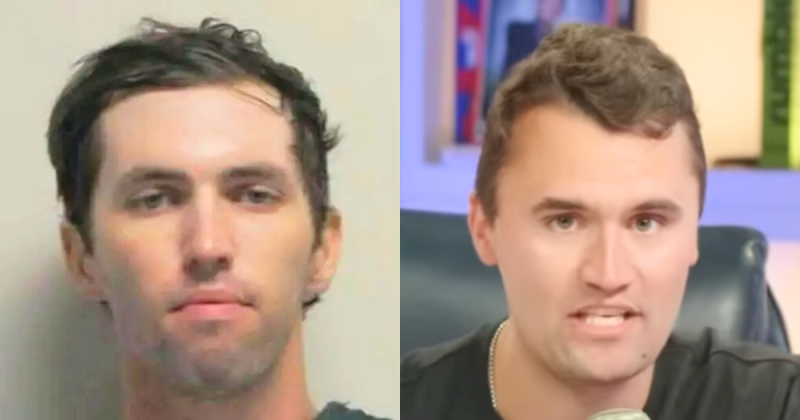
A legal battle unfolded Tuesday in a Utah courtroom that had nothing to do with guilt or innocence — and everything to do with who gets to watch.
Tyler Robinson, the man charged with gunning down Turning Point USA founder Charlie Kirk, is headed toward a preliminary hearing this July.
Before that hearing ever begins, his defense team is already fighting to make sure as little of it as possible reaches the public.
The defense lost some ground Tuesday.
Attorney Staci Visser stood before Judge Tony Graf and argued that the courtroom doors should be shut entirely for the duration of the preliminary hearing.
Her proposed workaround: seal the proceedings, then release a written transcript at a later date for the public to review.
“Our solution, what we see, is closing the preliminary hearing, and thereafter providing a transcript of what occurred during the preliminary hearing that can account for all of the evidence that wouldn’t be admissible at trial,” Visser said.
“That’s the only way we see that we can protect our client’s right to a fair trial and avoid evidence getting out that potentially is going to be challenged in the future and may not ultimately be used or admissible at trial.”
Graf was not persuaded.
The judge told Visser that sealing the entire proceeding and sorting out the details afterward did not meet the legal standard of being “narrowly tailored.”
He asked pointedly whether she agreed that her proposal was “a bit broad” — and questioned whether it aligned with existing case law at all.
Visser conceded there was another path.
The defense could raise objections in real time as the hearing proceeds, she acknowledged, though she warned it would “probably take quite a bit of time and extend the proceedings significantly.”
The prosecution came to court with a different posture altogether.
State attorneys argued that public proceedings build trust in the justice system, with one telling the court that “opening these proceedings creates confidence in the system.”
Prosecutors said they had no intention of presenting any evidence that would require closing even a portion of the hearing.
What the state did request was narrow: keeping the public and press from physically handling or duplicating exhibits admitted into the record.
The prosecution also gave the court its first detailed preview of what July’s hearing will look like. Five law enforcement officers are expected to take the stand.
Their testimony will cover direct observations they made personally, information relayed from fellow officers, and the foundation needed to admit physical and video evidence.
Among the exhibits: a recorded video statement from Lance Twiggs, described in court as Robinson’s transgender lover.
Prosecutors also disclosed two videos shot by bystanders at Utah Valley University on the day Kirk was killed.
The state attorney described them as “sensitive” and suggested that if they are played during an open hearing, the monitors could simply be rotated away from the gallery, stopping well short of any need to clear the courtroom.
Visser acknowledged the two sides were not far apart on how exhibits would be physically displayed, saying that “the state and the defense are mostly on the same page about the exhibits.”
She also told the court that the defense had submitted a categorized table of documents it believes fall under judicial rules governing private, protected, and safeguarded records, and asked the court to ensure they are treated accordingly.
Her deeper concern was not the exhibits themselves — it was what the five officers were expected to say.
Visser told the court that “most of the preliminary hearing, as far as we can tell, is going to be based off of reliable hearsay,” and that the defense had no reliable way of knowing in advance which portions of officer testimony would reflect personal knowledge versus secondhand information from other investigators.
She described the expected investigation summary as “very extensive.”
The defense also argued that an open hearing creates conditions for what Visser called media “misinformation,” and that the only remedy was controlling what left the courtroom in real time.
Judge Graf did not issue a ruling on Tuesday. The July preliminary hearing date stands.
