

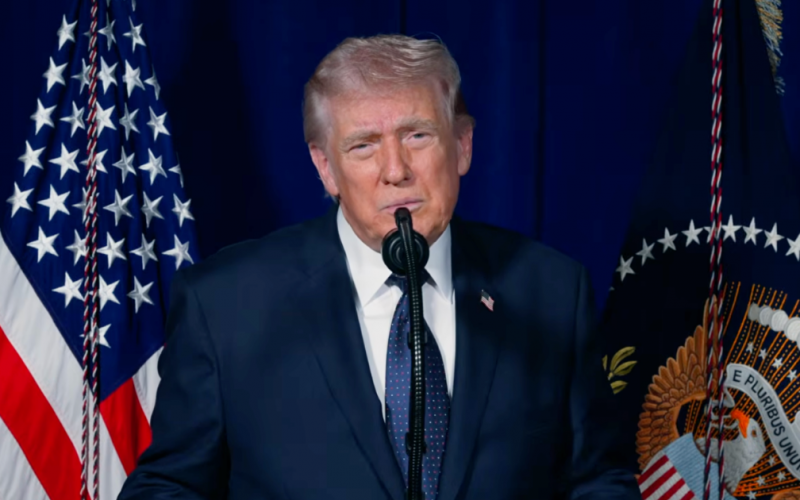
Vice President J.D. Vance abruptly returned to Washington on Saturday, just hours after President Donald Trump canceled plans to leave the capital for the weekend, fueling fresh speculation about escalating developments involving Iran and national security discussions inside the White House.
Vance had reportedly been expected to spend time in his home state of Ohio, where the vice president frequently returns for political events, economic initiatives and personal appearances tied to his longtime connections to the state.
Instead, multiple reports observed Air Force Two arriving back in Washington from the Cincinnati area earlier than expected Saturday, with Vance’s motorcade later seen heading toward the White House complex.
The administration did not immediately provide a detailed explanation for the sudden change in plans.
The vice president’s abrupt return came almost simultaneously with Trump’s decision to remain in Washington rather than travel to his Bedminster, New Jersey, property for the weekend.
According to White House officials, Trump chose to stay in the capital due to ongoing international developments requiring direct oversight and coordination with senior advisers.
The president had originally been expected to depart for New Jersey following events earlier in the week before ultimately deciding to remain at the White House.
The unusual scheduling changes immediately intensified speculation surrounding the administration’s handling of the rapidly evolving situation involving Iran.
Both Trump and Vance reportedly spent much of Saturday participating in briefings and consultations with national security officials as the administration continues evaluating diplomatic and military options tied to Tehran.
Administration officials emphasized that the government remains fully engaged in monitoring developments and reviewing intelligence in real time.
The timing is especially notable given the administration’s ongoing involvement in negotiations and security planning related to Iran’s nuclear program, regional instability and recent military escalations throughout the Middle East.
Earlier this year, Vance played a key role in diplomatic efforts involving talks in Islamabad focused on broader regional tensions and Iran-related negotiations.
Those discussions reportedly centered on issues including uranium enrichment limits, proxy militias and ceasefire enforcement.
While officials stressed that diplomatic channels remain open, the administration has repeatedly warned that all options remain on the table if Iran fails to meet key demands tied to nuclear restrictions and regional security guarantees.
Trump himself has recently taken an increasingly aggressive tone toward Tehran while also publicly expressing interest in securing a negotiated agreement.
The sudden return of the vice president — combined with Trump remaining in Washington — has now sparked widespread speculation that new developments behind the scenes may be unfolding faster than publicly acknowledged.
So far, however, the White House has not announced any emergency meetings, military actions or new diplomatic breakthroughs connected to the scheduling changes, as Trending Politics reported.
Officials instead characterized the moves as precautionary and consistent with maintaining close coordination during a period of heightened international tension.
Still, the rare decision for both Trump and Vance to alter weekend plans simultaneously has drawn immediate attention given the administration’s increasingly intense focus on Iran and broader Middle East security concerns.
