

A polarizing debate that has shadowed Michael Jackson’s legacy for years got fresh fuel this week when one of America’s most prominent media personalities declared that the men behind the most damaging documentary ever made about the late pop star have serious questions to answer.
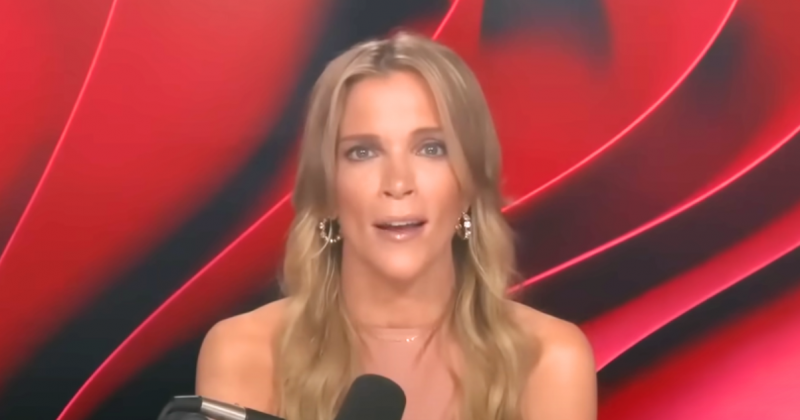
Megyn Kelly, host of her eponymous show on SiriusXM, went public Tuesday with conclusions she said she reached after conducting her own thorough, months-long investigation into allegations that Jackson sexually abused children — an investigation she undertook independently while between broadcasting jobs.
Her verdict was pointed.
“Maybe they’re telling the truth, but they have massive credibility problems, especially the main guy,” Kelly told her audience.
The “main guy” Kelly referenced is Wade Robson, an Australian-born choreographer who stands as one of two central accusers in “Leaving Neverland,” HBO’s Emmy-winning 2019 documentary that sent shockwaves through popular culture and triggered a global reassessment of Jackson’s catalog and reputation.
The other accuser featured in the film is James Safechuck.
Both men alleged in the documentary that Jackson subjected them to years of sexual abuse beginning when they were young children — claims Jackson’s estate has denied at every turn.
Kelly sat down with defense attorney Mark Geragos — who once represented Jackson himself — to air her concerns as the newly released “Michael” biopic drives a new wave of public fascination with the King of Pop, who died in 2009.
The SiriusXM host did not limit her criticism to the accusers alone.
She took direct aim at “Leaving Neverland” director Dan Reed and media titan Oprah Winfrey, accusing both of presenting a documentary that never subjected Robson or Safechuck to rigorous questioning — a failure she argued undermined the film’s credibility as journalism.
Kelly framed her Jackson research alongside a separate deep dive she conducted into abuse allegations against filmmaker Woody Allen.
In Allen’s case, Kelly stated plainly that she did not believe he abused his adopted daughter Dylan Farrow.
Jackson’s case, she said, was different — she declined to issue the same blanket exoneration.
“Michael Jackson, I wouldn’t go there,” she said.
The knot at the center of Robson’s credibility, according to Kelly and Jackson’s longtime defenders, is his own legal history.
When Jackson stood trial in 2005 on charges that he molested a 13-year-old boy at his Neverland Ranch, Robson took the witness stand and testified under oath that Jackson had “absolutely not” molested him.
A jury acquitted Jackson of all 14 criminal charges.
Eight years later, in 2013, Robson reversed course entirely — telling NBC’s Matt Lauer he had never forgotten what Jackson allegedly did to him, but had been psychologically unable to label it as abuse.
He later alleged that Jackson had “brainwashed” him into years of denial, and claimed the abuse began around age 7 and continued until he was 14.
For Jackson’s estate and supporters, those years of sworn public praise and courtroom testimony under oath remain the strongest argument against Robson’s current account.
“Leaving Neverland,” despite the controversy surrounding it, reshaped how millions of people around the world viewed Jackson after its 2019 premiere — prompting radio bans, the removal of a “Simpsons” episode featuring the singer, and a collapse of several business partnerships tied to his name.
Jackson’s estate fired back at the film, branding it “tabloid character assassination” and filing suit against HBO over an alleged violation of a non-disparagement agreement dating back decades.
The legal battles are far from finished. Robson and Safechuck are pursuing civil claims against Jackson’s estate, with a trial expected in late 2026 and $400 million in damages on the table. Jackson’s family has called the suits a money grab.
Meanwhile, the “Michael” biopic — produced with involvement from Jackson’s estate — opened to $217 million in its debut weekend, ensuring the conversation about who Jackson really was is nowhere near over.
