

A political clash tied to the Make America Healthy Again (MAHA) movement shaped the fate of a key pesticide provision in the House farm bill Thursday, as lawmakers moved to strip language that critics said would have shielded chemical manufacturers from liability in cancer-related lawsuits.
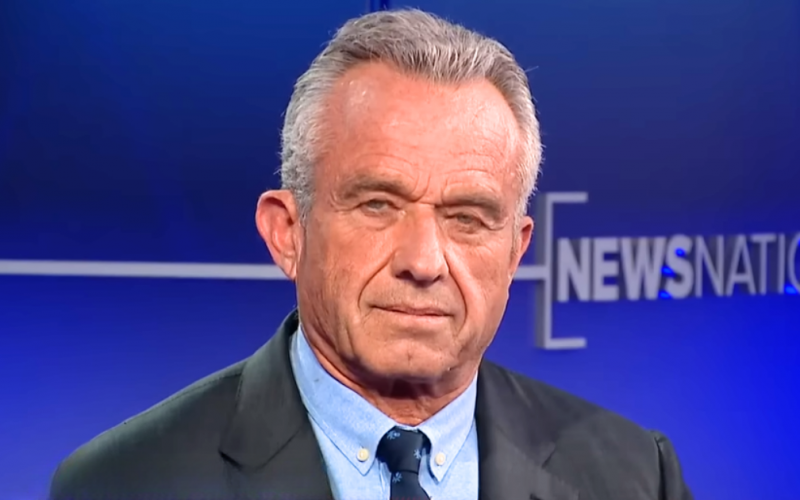
The MAHA-aligned backlash, which has increasingly influenced agriculture and health policy debates tied to Health and Human Services Secretary Robert F. Kennedy Jr., set the tone for negotiations ahead of the final vote.
Activists and lawmakers aligned with the movement argued the disputed language would have limited legal accountability for pesticide manufacturers, particularly in cases involving allegations tied to long-term health effects.
Bayer, the primary manufacturer of Roundup, was immediately drawn into the center of the dispute as one of the main companies affected by the provision.
The company has faced extensive litigation over claims that its glyphosate-based herbicide may be linked to cancer, and it warned that removing federal protections could lead to regulatory inconsistency and increased legal exposure across states.
Bayer has previously argued that stronger liability safeguards are necessary to maintain agricultural production stability.
The House later passed the Farm, Food, and National Security Act of 2026 by a 224-200 vote, sending the broader bill to the Senate.
Before final passage, lawmakers approved a 280-142 amendment striking the pesticide language, eliminating provisions that would have restricted states and local governments from imposing labeling or packaging requirements that differed from Environmental Protection Agency standards, according to USA Today.
Supporters of the original language said it was designed to create national consistency in pesticide labeling and prevent what they described as a patchwork of conflicting state regulations.
Opponents countered that the measure would have effectively reduced the ability of individuals to bring failure-to-warn lawsuits against chemical manufacturers.
Rep. Anna Paulina Luna (R-FL), who led the amendment effort, framed the change as a public health issue rather than a regulatory one.
“I have a little boy, and the amount of articles I have seen on pesticides and herbicides popping up in children’s products (to include organic) is very bad,” Luna wrote on X. “On behalf of all the moms and dads that aren’t in office, I am not going to be bullied into supporting a bill that is providing protections and immunity to corporations that are responsible for giving children and adults cancer.”
Rep. Chip Roy (R-TX) also supported the amendment, saying it would strengthen protections for consumers.
Rep. Austin Scott (R-GA) opposed the change, arguing that it would increase costs and regulatory confusion for farmers and consumers.
“If the EPA says the label is good, I don’t see why every state municipality should have to have another label that would simply raise the price for the American consumer,” Scott said, according to The Post Millennial.
The dispute comes as pesticide litigation continues to play out in federal courts, where the Supreme Court is currently weighing whether manufacturers like Bayer can be held liable for failing to warn consumers about potential cancer risks associated with Roundup.
The case could significantly reshape thousands of pending lawsuits and redefine national standards for pesticide liability.
House Agriculture Chairman Glenn Thompson praised the overall passage of the farm bill, calling it a win for agricultural producers and rural communities, even as the pesticide debate underscored deep divisions between traditional farm-state interests and MAHA-aligned health advocates.
With the bill now heading to the Senate, lawmakers on both sides expect continued debate over agricultural regulation, corporate liability, and the growing influence of health-focused political movements in shaping federal policy.
