

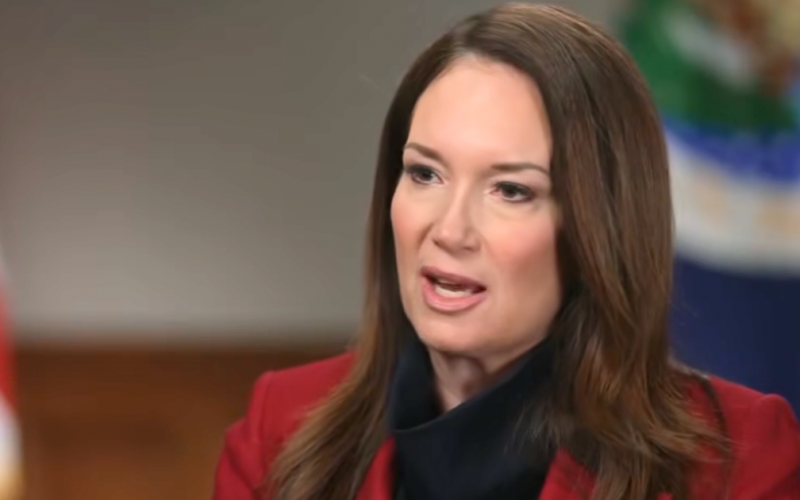
A federal review is putting renewed scrutiny on the Supplemental Nutrition Assistance Program (SNAP) after Agriculture Secretary Brooke Rollins said an analysis identified thousands of recipients in a single state linked to luxury vehicles, raising fresh questions about eligibility enforcement and program integrity.
The findings come as federal officials continue expanding efforts to tighten oversight of public assistance programs under recent policy changes.
Rollins said the review focused on one Republican-led state, where data cross-checks reportedly connected SNAP enrollees to a wide range of high-end vehicles, from premium consumer brands to ultra-luxury manufacturers.
The scope of the findings, she emphasized, was limited but concerning in scale.
“This is just in one state,” Rollins said. “We need to defend our nutrition programs for those most in need, not for scammers gaming the system. These individuals are taking advantage of the American taxpayer. And together with [the vice president’s] Task Force to Eliminate Fraud, this ends NOW.”
According to the analysis, roughly 14,000 luxury vehicles were associated with SNAP participants in the state, based on comparisons between enrollment records and vehicle ownership data.
The brands identified reportedly included Lexus, Tesla, and BMW among the most frequently appearing names, along with other high-end manufacturers, according to Just the News.
The review was conducted with support from the Foundation for Government Accountability, which matched program enrollment data with external records as part of its assessment of potential irregularities.
The group’s findings have been cited in broader discussions about how eligibility systems are verified at the state level.
Federal data cited in the reporting also shows SNAP participation declining from 42.8 million recipients in January 2025 to 38.5 million one year later, a shift administration officials attribute to recent eligibility enforcement and program adjustments, according to the Washington Times.
The findings have reignited debate over how states apply eligibility rules, particularly in systems that rely on broader categorical pathways rather than strict asset verification.
Critics argue those structures can weaken safeguards meant to detect ineligible applicants, while supporters say they reduce administrative barriers and help eligible households access assistance more efficiently.
Separate portions of the analysis examined additional enrollment data from a representative state sample, where researchers reportedly found inconsistencies involving identity verification, residency records, and application documentation.
Those results have been referenced by policy analysts as potential indicators of systemic weaknesses in screening procedures.
The report also claimed some applications included mismatched or unverifiable identity details, including discrepancies in federal databases and residency information, according to the New York Post.
It suggested that reduced verification requirements in certain jurisdictions may increase the risk of improper enrollments, though those conclusions remain part of an ongoing policy debate rather than settled findings.
The Foundation for Government Accountability argued that structural features in eligibility rules—particularly categorical qualification pathways—can reduce traditional checks designed to verify income, assets, and residency.
Critics of those systems say they create vulnerabilities to fraud, while opponents of reform caution that stricter standards could limit access for eligible low-income households.
Federal estimates cited in the reporting place improper SNAP payments at more than $10 billion annually, a figure that includes both administrative errors and confirmed fraud cases.
Officials supporting reforms say improved verification systems and stronger state accountability measures could reduce those losses over time.
Rollins and other administration officials have framed the enforcement push as part of a broader effort to restore program integrity, including penalties for states with high error rates under newly enacted federal measures.
Supporters say the changes will safeguard taxpayer funds, while critics warn they could create additional administrative burdens for applicants and state agencies.
WATCH:
