

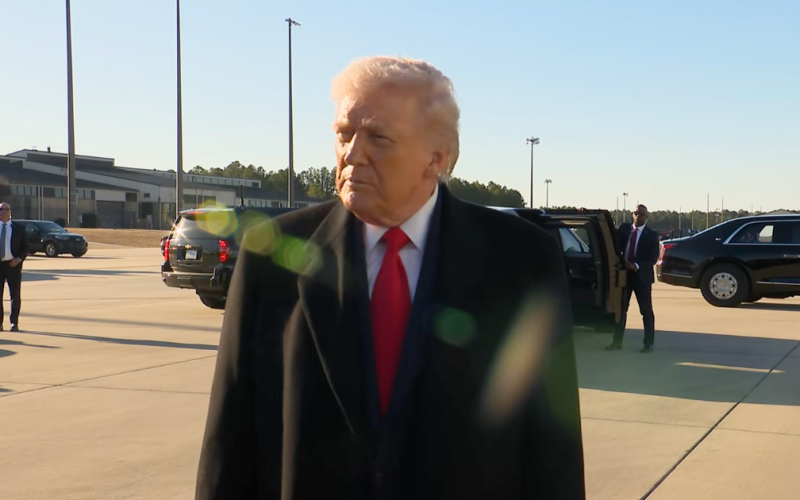
President Donald Trump is facing backlash after openly celebrating the death of former FBI Director Robert Mueller, marking one of the most controversial remarks of his presidency.
“Robert Mueller just died,” Trump wrote on social media. “Good, I’m glad he’s dead. He can no longer hurt innocent people!”
Mueller, who led the Russia investigation into Trump’s 2016 campaign, had long been one of the president’s top political adversaries, and Trump has repeatedly criticized him over the years.
The reaction was immediate. Critics, including some Republicans, argued the statement crossed a clear line by moving beyond political criticism and into openly praising someone’s death.
While Trump has a long history of harsh rhetoric, this moment stands out because of how direct it was.
Instead of attacking Mueller’s record or legacy, Trump expressed approval of his death itself, which is a step further than previous comments.
Trump has made controversial remarks about deceased public figures before, especially those he viewed as opponents.
After Senator John McCain died in 2018, Trump later said, “I never was a fan of John McCain, and I never will be.”
Following the death of former Secretary of State Colin Powell, Trump called him a “classic RINO” and focused on what he described as policy failures.
In 2019, Trump suggested longtime Rep. John Dingell was “looking up” from hell, prompting Dingell’s widow to say the comment made her grief worse.
More recently, Trump reposted attacks on the Kennedy family shortly after the death of John F. Kennedy’s granddaughter and mocked filmmaker Rob Reiner after his reported death, blaming “Trump Derangement Syndrome.”
Those comments drew criticism at the time, but the Mueller remark has generated stronger reactions because of its tone.
Critics argue that celebrating death, regardless of political disagreements, reflects poorly on presidential conduct and lowers expectations for public leadership.
Supporters of Trump defend the comment, pointing to the impact of the Mueller investigation on his presidency. The probe dominated headlines for years and examined possible ties between Trump’s campaign and Russia.
Trump has consistently argued the investigation was politically motivated and harmful to his administration. For many of his supporters, the comment reflects long-standing frustration with what they see as an unfair investigation that shaped public perception of Trump’s first term.
The controversy comes as Trump faces pressure on multiple fronts, including the ongoing Iran war, rising gas prices, and internal divisions within his administration.
Statements like this risk shifting attention away from policy and toward rhetoric, which can influence public perception during critical moments. While Trump’s base often views his blunt style as a strength, critics argue it can alienate moderates and independents who are more sensitive to tone and conduct, per CNN.
Trump has not walked back the statement, consistent with his approach to controversy. He rarely apologizes and often doubles down when criticized, reinforcing his image as a leader who does not filter his views. For supporters, that authenticity is a key appeal.
For opponents, it reinforces concerns about leadership and temperament. Either way, the reaction to Mueller’s death shows that even after his passing, the political battle surrounding his investigation continues.
