

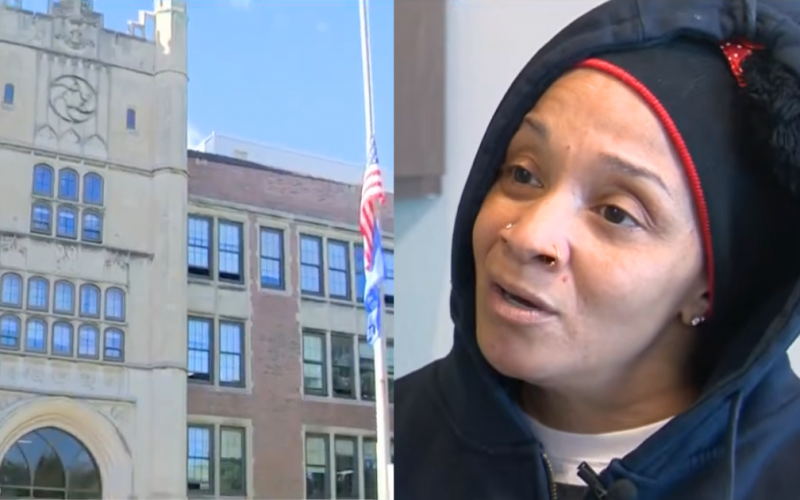
A Madison, Wisconsin, family is demanding accountability after a shocking incident at Madison East High School in which a 15-year-old non-verbal autistic student was reportedly fed dog food instead of a school-provided lunch.
The incident, which occurred several weeks ago, has raised serious concerns about staff oversight, student safety, and protections for vulnerable students.
Debra Hawkes said school staff sent her a photo showing her son, Jaden, had consumed several bites of wet Nutrish dog food.
“He looked like he ate a little bit of salt and at least three, four, or five bites,” she said, expressing disbelief over how the food was served.
“You can’t be safe in school. Where could he be safe at?” Hawkes added, citing the potential danger posed by a metal can and plastic fork.
Following the incident, the staff member allegedly responsible was placed on leave and, according to Hawkes, has since been terminated.
“He don’t need to work with kids no more. He don’t need to work with anybody that is dependent,” she told Fox 47.
The Madison Metropolitan School District confirmed the employee was removed from duties and said an investigation is ongoing, citing privacy laws that prevent disclosure of the individual’s identity.
Hawkes said the situation has noticeably affected her son’s mood and behavior.
“Jaden hasn’t been himself,” she said, noting that he is usually energetic and cheerful.
She visited the school repeatedly over several days seeking answers and clarity about how such an incident could have occurred, according to News 3 Now.
District officials said they are reviewing internal procedures and staff training to prevent similar situations in the future.
“We take all safety-related concerns extremely seriously, and this is no exception,” the district said in a statement. “We will determine next steps following the outcome of our investigation.”
The situation has raised broader questions about safeguarding students with disabilities.
Advocates argue incidents like this underscore the need for clear protocols, comprehensive training, and vigilant supervision when caring for children who require additional support.
The Hawkes family said they hope their advocacy leads to reforms that ensure no other child experiences similar treatment.
Community members have expressed shock that such an event could occur in a public school setting.
Safety experts emphasize that non-verbal students are particularly vulnerable and rely entirely on adults for protection, making staff accountability and supervision critical.
Parents stress that strong safeguards must be enforced in every classroom to prevent preventable harm.
Although the district has not released further details about the employee’s actions, the Hawkes family’s efforts have highlighted potential gaps in school safety practices.
They continue working with school officials to restore a sense of security for their son while pressing for systemic improvements.
The situation adds to a growing national conversation about protecting students with special needs.
Experts say schools have a responsibility not only to educate but also to ensure the physical and emotional safety of all students—especially those who cannot communicate their needs or advocate for themselves.
WATCH:
