

A Christmas display in Mullins, South Carolina, has drawn national attention after the town’s mayor requested the removal of a Nativity scene from a downtown marketplace parking lot.
The request faced immediate resistance from local volunteers and several city council members, turning a simple seasonal decoration into a broader discussion about religious expression in public spaces.
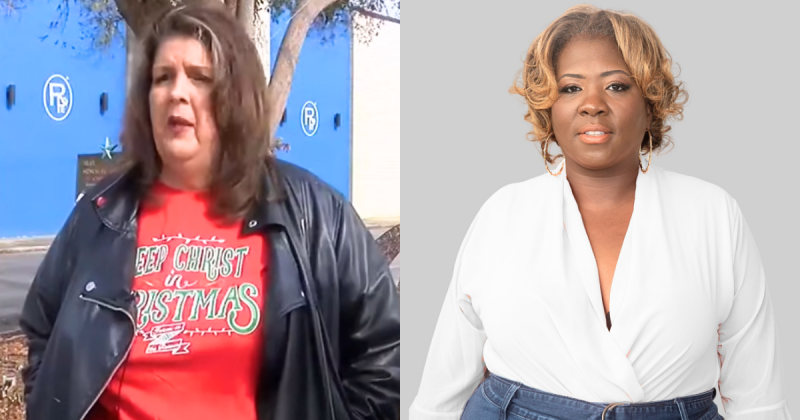
The Mullins Beautification Committee, led by Kimberly Byrd, decorated the city’s new marketplace for its first Christmas season in late November.
Committee members, using personal funds, spent roughly two weeks setting up lights, wreaths, Santa figures, a snowman and a 3-by-4-foot Nativity scene.
Byrd told Fox News Digital that the display was intended to create a festive atmosphere that would attract visitors to downtown businesses.
Byrd expressed surprise when Mayor Miko Pickett requested the Nativity scene be removed, citing concerns about residents of other faiths.
“It’s a faith-based community in the Bible Belt. I’ve been here 53 years of my life and never heard of anything like this happening here,” Byrd said.
She emphasized the strong Christian tradition in Mullins, noting churches are abundant throughout the town.
Pickett clarified her position in a Facebook post, stating the request applied only to public property.
“I requested that the nativity scene be removed solely from the PUBLIC parking area,” she wrote, citing the separation of church and state.
She added that Mullins is home to residents of “various ethnicities and religious beliefs” and stressed that she had not sought to prohibit Nativity scenes elsewhere.
The mayor’s request drew criticism locally and online.
Commenters referenced the 1984 Supreme Court ruling in Lynch v. Donnelly, which allows cities to display Nativity scenes as part of broader holiday presentations on public property.
According to Townhall, observers noted that the Mullins display included secular elements, such as Santa and decorative lights, aligning with the guidelines outlined in the ruling.
Byrd received support from several city council members and announced she would maintain the display unless authorities required removal of all decorations.
“How are we supposed to explain to our kids that we have to hide our religion, hide our beliefs, and hide what Christmas is about?” she asked. “Christmas is not about Santa Claus. It’s about the birth of Jesus.”
Religious liberty organizations also took note. Becket, a First Amendment-focused law firm, awarded Byrd its 2025 “Tiny Tim Toast,” recognizing her efforts to defend the Nativity scene.
“Her courage to stand up for the Nativity scene was admirable and patriotic,” said Becket president Mark Rienzi.
As of now, city officials have not announced any formal action to remove the Nativity scene. Pickett has not responded to additional media inquiries.
The display remains in place, serving as a seasonal decoration and a symbol of ongoing discussions regarding faith and public property in small-town America.
The Mullins case highlights the challenges municipalities face in balancing religious expression with diverse community demographics.
Local leaders must navigate legal frameworks, community sentiment and First Amendment considerations while determining how holiday traditions are presented in public spaces.
WATCH:
