

The FBI has confirmed it is actively purchasing data that can be used to track Americans’ movements and location history.
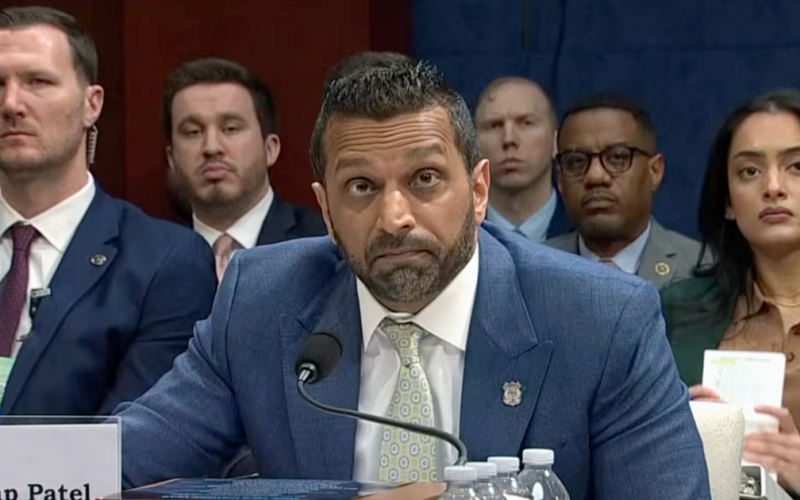
FBI Director Kash Patel made the admission during a Senate Intelligence Committee hearing.
“We do purchase commercially available information,” Patel said.
He added that the practice complies with existing laws and has produced “valuable intelligence.”
The statement marks the first confirmation that the FBI has resumed buying such data in recent years.
In 2023, then-Director Christopher Wray said the agency had previously purchased location data but was not doing so at the time.
That position has now changed.
The data is not obtained directly from cell phone companies.
Instead, it is purchased from data brokers who collect and sell user information gathered from apps, devices and online activity.
This creates a legal workaround.
Since a 2018 Supreme Court ruling, law enforcement must obtain a warrant to access location data from telecom providers.
But purchasing data from third-party brokers does not currently require a warrant.
That distinction has raised serious concerns among lawmakers.
Critics argue the practice allows agencies to bypass constitutional protections.
Senator Ron Wyden called it “an outrageous end run around the Fourth Amendment.”
He warned that advances in artificial intelligence could make the issue even more dangerous.
“With AI, agencies can comb through massive amounts of private information,” Wyden said.
A bipartisan group of lawmakers is now pushing legislation to stop the practice.
The proposed Government Surveillance Reform Act would require federal agencies to obtain a warrant before purchasing Americans’ personal data.
Supporters say it would close what they see as a major loophole.
However, not everyone agrees.
Arkansas Sen. Tom Cotton (R) defended the FBI’s actions during the hearing, per Politico.
“The key words are commercially available,” Cotton said.
“If anyone can buy it, and it helps catch criminals, the FBI should use it.”
Officials argue the data can help track dangerous suspects, including traffickers and cartel members.
The Defense Intelligence Agency also confirmed it uses similar methods.
Director James Adams told lawmakers his agency purchases commercially available information as well.
The debate highlights a growing tension between national security and privacy rights.
As technology advances, the amount of personal data available for purchase has expanded dramatically.
Much of it includes highly sensitive details, such as location patterns and behavioral data.
For now, the practice remains legal.
But with bipartisan pressure building, that could soon change.
The outcome of the proposed legislation may determine how far federal agencies can go in using privately collected data.
Until then, the FBI’s admission is likely to intensify scrutiny over how Americans’ personal information is being used.
