

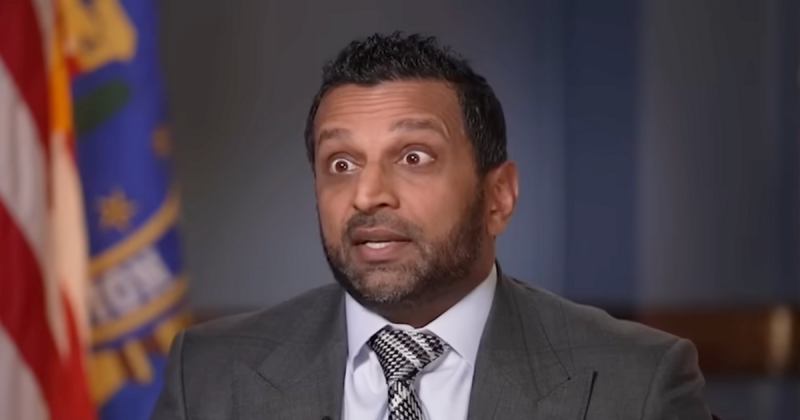
FBI Director Kash Patel announced a long-promised move that sent shockwaves through Washington after confirming the permanent closure of the J. Edgar Hoover Building, the bureau’s headquarters since 1975.
Patel revealed the decision on Friday, saying that decades of failed plans had finally ended through direct coordination with President Donald Trump and Congress, delivering what he said no previous leadership had managed to achieve.
The aging concrete structure has long been criticized for unsafe conditions, obsolete design, and outdated technology, factors officials say made continued operations impractical for a modern federal law enforcement agency.
In a statement posted online, Patel said the bureau scrapped a nearly $5 billion headquarters project that would not have opened until 2035, arguing taxpayers were being set up for waste.
Instead, the FBI selected the existing Ronald Reagan Building for relocation, a move Patel said allows immediate transition while saving billions and avoiding years of delays tied to new construction.
Renovations are already underway to upgrade safety systems and infrastructure, with most headquarters staff expected to move once completed, while remaining personnel are reassigned to field offices nationwide.
Patel said the restructuring puts manpower where it belongs, emphasizing crime fighting and national security instead of concentrating thousands of agents behind desks in Washington.
The announcement fulfills a pledge Patel repeatedly made during the 2024 campaign, when he argued the Hoover Building symbolized bureaucratic stagnation rather than effective federal policing, Trending Politics reported.
Trump has also long criticized the structure, previously halting relocation plans and blocking a proposed move to Maryland, calling the building outdated and unsuitable.
Trump intervened as early as 2017, pulling the plug on replacement projects and signaling his support for decentralizing federal law enforcement operations beyond the capital.
Patel previously said the Hoover Building should be converted into a museum, arguing agents are cops, not bureaucrats, and should be deployed across the country.
He framed the closure as symbolic and operational, claiming it represents a break from entrenched culture while freeing resources for investigations, border security, and violent crime enforcement.
Supporters argue the move signals reform inside the bureau, while critics question the logistics and long-term impacts of relocating thousands of employees from downtown Washington.
Despite criticism, Patel insists the plan delivers safer working conditions, faster deployment, and responsible spending, framing the closure as overdue accountability for federal leadership.
With the Hoover Building set to shut its doors, Patel says the FBI is entering a new chapter focused on results, mobility, and enforcement, marking one of the most consequential structural changes in decades.
He says the decision reflects campaign promises kept, taxpayer dollars protected, and a broader effort by Trump to reshape federal institutions. Whether the move delivers lasting reform will be judged by crime trends, public trust, and the bureau’s ability to adapt outside its longtime concrete fortress.
For Patel, the closure stands as proof that entrenched Washington institutions can still be forced to change under decisive leadership and clear accountability from the top, after years of delay and excuses finally come to an end.
