

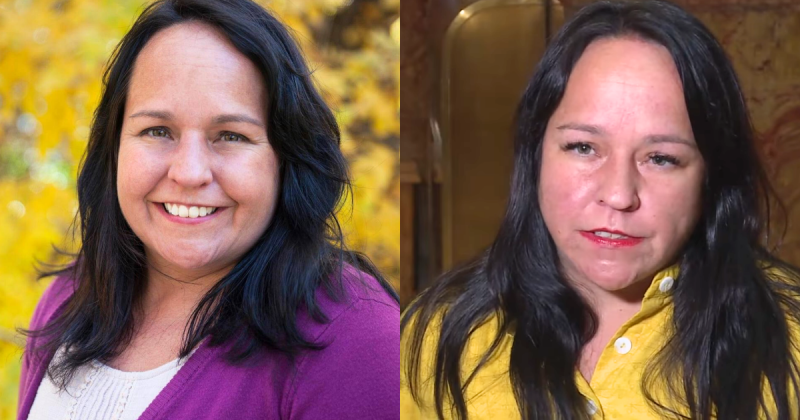
Colorado State Sen. Faith Winter, a Democrat from Senate District 25, was legally intoxicated at the time of a fatal Interstate 25 collision the night before Thanksgiving, authorities confirmed.
The Arapahoe County Coroner’s Office reported her blood alcohol concentration at 0.185 percent, more than twice Colorado’s legal limit.
Investigators concluded Winter was at fault in the crash, and after a coordinated review with the 18th Judicial District Attorney’s Office, no criminal charges will be filed in connection with the incident.
While the collision has been widely reported, newly available public records and statements shed additional light on Winter’s conduct in the months before her death.
In April 2024, at a Northglenn community meeting on a proposed mental health transitional living facility, Winter appeared intoxicated—an event that prompted a formal complaint from the Northglenn City Council.
Attendees reported slurred speech, glassy eyes and behaviors consistent with inebriation; local police advised her not to drive home that night, Colorado Politics reported at the time.
The Northglenn complaint led the Colorado Senate Ethics Committee to investigate whether Winter violated chamber standards for conduct.
In July 2024, the committee—on a 4‑1 vote—found that Winter failed to uphold a rule requiring senators to act “in a manner that promotes public confidence in the integrity and independence of the Senate.”
While the panel stopped short of recommending censure or expulsion, it admonished her and forwarded its findings to Senate leadership.
Winter acknowledged consuming alcohol before the April meeting, telling ethics investigators she “expected the meeting to be emotionally charged” and regretted her decision.
She resigned as chair of the Senate Transportation and Energy Committee to focus on her health and entered treatment for alcohol use disorder, retaining her position as assistant majority leader during recovery.
In January, Winter addressed the full Senate in a public apology for her conduct and the ethical breach.
She admitted to making “unfortunate choices” that harmed colleagues, her community, and herself and spoke openly about her struggles with mental health, chronic illness, childhood trauma and a brain injury that had contributed to her self-medication with alcohol.
Winter told colleagues she was continuing treatment and hoped her experience could help destigmatize addiction and recovery.
Before the ethics controversy, Winter had been active on policy issues, including behavioral health and mental health infrastructure.
In 2022, she co-sponsored House Bill 22‑1303, legislation directing the addition of at least 125 residential mental health treatment beds across Colorado—a measure proponents said would expand access to long-term supportive care for adults with significant needs.
Gov. Jared Polis (D) and legislative leaders issued statements following Winter’s death, expressing condolences and emphasizing her dedication to public service despite recent struggles.
Polis said her loss shook the state, while Senate leadership noted her commitment to Colorado residents and policy work.
Winter is survived by her family, including her children and her fiancé, former State Rep. Matt Gray.
A legislative vacancy committee is expected to appoint a successor to serve the remainder of her term, which runs through 2026.
