

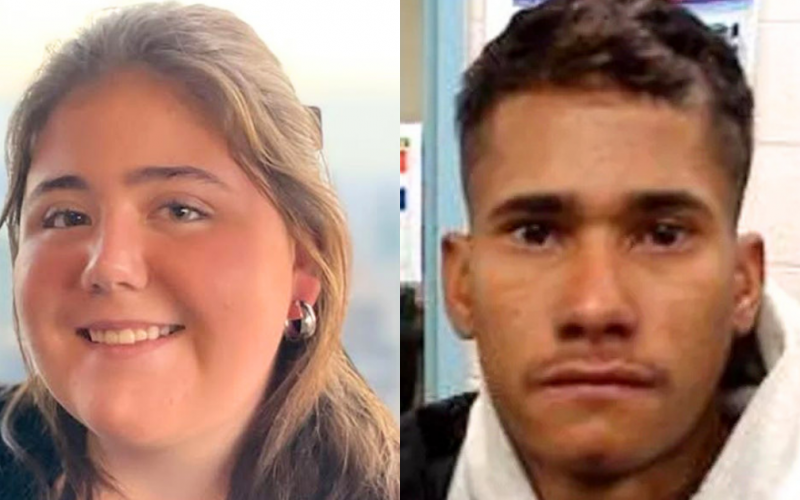
The fatal shooting of 18-year-old Loyola University Chicago freshman Sheridan Gorman has drawn national attention, raising urgent questions about public safety, city leadership, and immigration enforcement.
Gorman, a native of Yorktown Heights, New York, was killed early Thursday morning while walking near Lake Michigan with friends to view the northern lights.
Authorities have identified 25-year-old Jose Medina-Medina, a Venezuelan national, as the suspect. Officials said he approached Gorman while masked and armed.
When she attempted to flee, he allegedly fired at her, fatally wounding her at the scene.
Medina-Medina faces multiple felony charges, including first-degree murder, but did not appear in court due to ongoing treatment for tuberculosis, according to LifeZette.
The incident has sparked widespread commentary on student safety and city leadership.
Kevin Corke, a national correspondent and commentator, described the loss as ‘unimaginable,’ reflecting the expectations families hold when sending their children to school.
Mehek Cooke, a political commentator, stressed accountability for city and state leaders, saying, “Sheridan cannot be a statistic. She is somebody’s entire world, and the mayor and the governor owe her real answers.”
Cooke criticized Chicago’s long-standing Democratic governance, arguing that policies she says have weakened safety measures put students and residents at risk.
She urged families to evaluate local conditions when selecting schools.
Corke shared a statement from the Gorman family, highlighting their grief and demand for justice.
“We trusted that she would be safe, and that trust was broken,” he read. “Someone made a deliberate choice that stole our daughter and forever changed our family.”
Federal authorities highlighted Medina-Medina’s prior criminal record and immigration status.
The Department of Homeland Security (DHS) confirmed he was a criminal illegal alien apprehended at the southern border in May 2023 and subsequently released.
He was released again after a shoplifting arrest in Chicago.
Acting Assistant DHS Secretary Lauren Bis condemned the releases, stating, “Sheridan Gorman had her whole life ahead of her before this cold-blooded killer decided to end her life. She was failed by open border policies and sanctuary politicians.”
Chicago officials responded cautiously.
Alderwoman Maria Hadden described the shooting as a tragic case of a victim in the “wrong place at the wrong time,” suggesting limited broader risk to the community, which caused outrage nationwide.
Gov. J.B. Pritzker’s office issued condolences.
“Our thoughts are with the family, friends, and Loyola University community grieving the senseless murder of Sheridan Gorman,” the statement read, according to Fox News.
The case has intensified discussions on city safety, law enforcement funding, and immigration enforcement.
DHS has called on local authorities to honor ICE detainers for criminal illegal aliens to prevent further incidents.
Corke and Cooke linked policy decisions, including sanctuary protections and reductions in police staffing, to the safety of residents and students.
This tragedy highlights the tangible consequences of policy choices.
As families, lawmakers, and law enforcement officials seek ways to prevent similar events, the case has reignited national debate over border security, public safety, and city governance.
Sheridan Gorman’s murder illustrates how lapses in leadership and enforcement can have devastating consequences, reminding Americans of the stakes when policy decisions intersect with community protection.
