

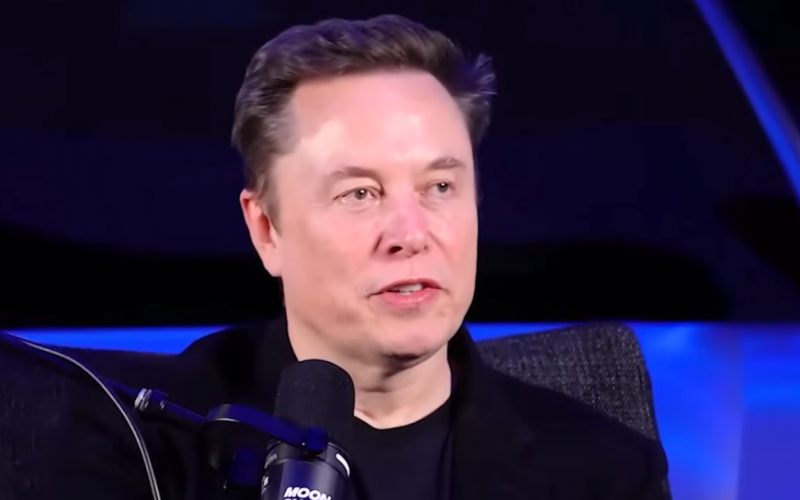
Elon Musk has threatened legal action against Rep. Ro Khanna after the California Democrat suggested Congress should investigate the billionaire’s role in the Department of Government Efficiency (DOGE), escalating a dispute over federal spending cuts, oversight authority, and the influence of private-sector leaders in government reform efforts.
The exchange intensified after Khanna appeared on the “I’ve Had It” podcast, where he argued that Musk’s leadership of DOGE should face congressional review if Democrats regain control of key oversight committees.
He called for potential subpoenas and investigations into how the initiative was structured and how its cost-cutting measures were implemented across federal agencies, according to Fox News.
Musk responded directly on X with a brief post targeting Khanna, writing, “Time to sue this liar,” a statement that quickly circulated across social media and reframed the disagreement as a personal legal threat rather than a policy dispute over federal efficiency reforms.
Khanna’s remarks focused on the broader consequences of DOGE’s spending reductions, arguing that cuts to federal programs could extend beyond domestic budgeting and affect international assistance systems funded by the United States.
He pointed to foreign aid programs as an area he believes could be impacted by restructuring efforts tied to the initiative.
During the podcast discussion, Khanna referenced claims that reductions in U.S. assistance programs could have humanitarian consequences in regions dependent on food aid, public health funding, and emergency relief.
He said those outcomes justify congressional oversight and potential investigative action by relevant House committees.
Musk has not announced any filed lawsuit or formal complaint in court, and no case has been docketed as of now.
Khanna said Musk should face accountability if Democrats regain congressional control, arguing that his role in federal spending reductions warranted investigation.
“I do believe once we take power, there needs to be accountability,” Khanna said on the podcast. “There needs to be accountability for Elon Musk… they don’t talk about the 4.5 million children around the world who he possibly sentenced to death by dismantling USAID.”
His public statement remains limited to social media, though it has intensified scrutiny from Democratic lawmakers who have increasingly questioned the role of private figures in shaping federal policy through advisory or efficiency-focused programs.
DOGE has become a broader point of political contention in Washington, with supporters describing it as a government modernization effort aimed at reducing inefficiency, eliminating redundant spending, and streamlining agency operations.
Critics, however, argue that aggressive cost-cutting could weaken essential services and reduce the effectiveness of federal programs both domestically and abroad.
Khanna has emerged as one of Musk’s most consistent critics in Congress, frequently calling for increased oversight of billionaire influence in government decision-making and greater transparency in restructuring efforts tied to federal spending reforms.
He has argued that concentrated private wealth should not play a central role in shaping public policy outcomes.
He has also supported legislative proposals aimed at higher taxation on ultra-wealthy individuals, arguing that extreme wealth concentration has contributed to widening economic inequality and reduced opportunity for middle- and working-class Americans.
Those proposals have become part of his broader policy platform focused on redistributive fiscal reform.
Musk, meanwhile, has defended DOGE as a necessary corrective to long-standing inefficiencies in federal spending, arguing that criticism of the program reflects resistance from entrenched political and bureaucratic interests affected by structural reforms.
He has positioned the initiative as part of a broader effort to modernize government operations and reduce waste.
The dispute has unfolded largely through public statements, podcast commentary, and social media exchanges rather than formal legal filings or congressional action.
As of now, there is no confirmed lawsuit, no subpoena issued, and no formal committee investigation announced, though both sides have signaled the possibility of further escalation.
The confrontation highlights growing tension between congressional Democrats and influential technology executives over the boundaries of government reform, oversight authority, and the extent to which private-sector leaders should shape or implement federal efficiency initiatives moving forward.
