

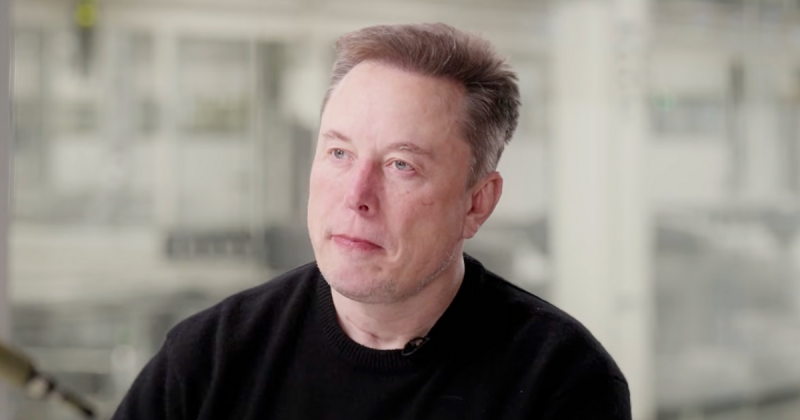
Billionaire Elon Musk unexpectedly joined a high-level wartime call between President Donald Trump and Indian Prime Minister Narendra Modi, raising new questions about his role in global affairs.
The call, which focused on the escalating Iran conflict, marked the first direct conversation between Trump and Modi since U.S. and Israeli strikes on Iran began on February 28.
According to U.S. officials, Musk’s participation was unusual. Private citizens are almost never included in calls between world leaders, especially during an active military conflict.
The report, first revealed by The New York Times, said Musk’s presence was confirmed by multiple U.S. officials. However, it remains unclear why he was included or whether he spoke during the conversation.
The White House did not directly address Musk’s role but confirmed that the call between Trump and Modi was “productive.”
“President Trump has a great relationship with Prime Minister Modi,” a spokesperson said.
The conversation focused heavily on the ongoing war with Iran and its global implications. Modi emphasized the importance of keeping the Strait of Hormuz open, calling it critical for global stability and economic security.
The strategic waterway is one of the most important shipping routes in the world, with a significant portion of the global oil supply passing through it.
Musk’s involvement comes after a reported falling out with Trump last year following his departure from a government advisory role focused on reducing the federal workforce.
His reappearance in a high-level geopolitical discussion suggests relations between the two may be improving.
The situation raises broader questions about Musk’s influence. As the head of major companies with ties to defense, technology, and global infrastructure, his role often extends beyond business.
Still, his presence on a call involving active wartime strategy stands out as highly unusual.
Typically, such discussions are limited to government officials, intelligence leaders, and military advisers.
The lack of clarity surrounding Musk’s role is likely to fuel speculation about why he was included and what influence, if any, he had on the conversation.
At the same time, the call itself highlights the growing complexity of the Iran conflict. Global leaders are increasingly coordinating responses as tensions impact energy markets, security, and international trade, per NDTV World.
The Strait of Hormuz remains a central concern. Any disruption could have immediate consequences for oil prices and global economies.
For Trump, the call reflects ongoing diplomatic efforts alongside military operations.
For Modi, it underscores India’s interest in maintaining stability in key global supply routes.
For Musk, however, the moment is different.
His presence signals that influential private figures may be playing a larger role in high-level discussions, especially during crises that intersect with technology, infrastructure, and global markets.
That shift is likely to draw attention.
The key question is simple. Why was Musk there?
Until that is answered, his involvement will remain one of the more unusual developments in an already complex geopolitical situation.
