

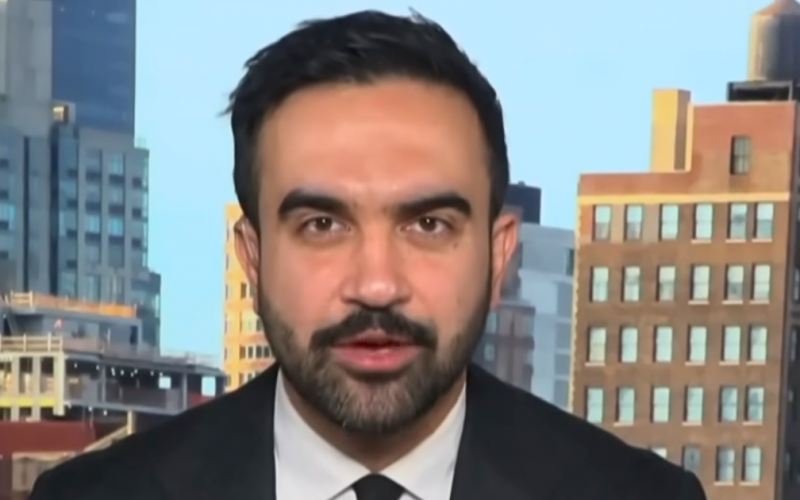
New York City Mayor Zohran Mamdani faced scrutiny Monday for downplaying the risks of a historic winter storm and recent homeless fatalities.
The blizzard, which began Sunday and dumped up to 24 inches of snow, is being called one of the largest snowfalls in the city’s history.
Yet Mamdani insisted the storm posed minimal danger to the city’s homeless population.
On MSNBC’s Katy Tur Reports, the mayor was pressed on whether the city had changed its approach after a prior cold snap left 19 people dead outdoors and seven more inside, some due to heating failures.
Host Katy Tur asked if new strategies had ensured all homeless residents were reached and protected during the current blizzard.
Mamdani highlighted extensive outreach, noting that more than 500 workers were deployed across the city and that overdose prevention centers stayed open late.
“We’ve learned the tools that were effective over the course of the prolonged cold period … those are ones we’ve employed from the very first day of our response to this one,” he said, asserting that these measures had prevented fatalities during the current storm.
City data and independent reporting, however, cast doubt on these claims.
CBS New York confirmed 19 deaths during the prior cold period, and the New York Post reported that at least 15 outdoor fatalities were caused by hypothermia, underscoring the lethal risk of exposure.
Critics argue that focusing on overdose prevention, while valuable, does not address the real danger posed by extreme cold or insufficient shelter.
Many warn that without expanded shelter and emergency capacity, even aggressive outreach cannot fully prevent weather-related deaths.
Observers say that proper protections, including warming centers and coordinated evacuation plans, remain essential to safeguard the city’s most vulnerable.
Advocates stress that systemic gaps continue to endanger vulnerable populations.
While Mamdani’s focus on staffing and prevention centers reflects proactive planning, experts note that outreach and messaging cannot substitute for tangible protections from harsh conditions.
Homeless advocates argue that the city must go beyond messaging and ensure physical safety through adequate beds, shelters, and heating resources, The Western Journal noted.
The response also intersects with political complications.
Mamdani’s inaugural address emphasized replacing “the frigidity of rugged individualism with the warmth of collectivism,” as highlighted by The Daily Caller.
Meanwhile, federal assistance was offered ahead of the storm, but Gov. Kathy Hochul (D) reportedly conditioned aid on changes to immigration enforcement, adding another layer of complexity to emergency coordination.
As snow continued to blanket the city, the contrast between Mamdani’s assurances and past fatalities drew sharp criticism from homeless advocates and community leaders.
Many emphasized that expanded shelter capacity, clear evacuation protocols, and additional emergency resources are essential to prevent future tragedies during severe winter storms.
Despite the mayor’s insistence that proactive measures minimized risk, prior records show the ongoing struggle to protect New York’s most vulnerable residents.
The blizzard has intensified scrutiny on city leadership, highlighting the tension between political messaging and practical public safety.
Advocates argue that real safeguards, not reassurances, determine whether lives are preserved during historic storms, particularly for those living without permanent housing.
WATCH:
