

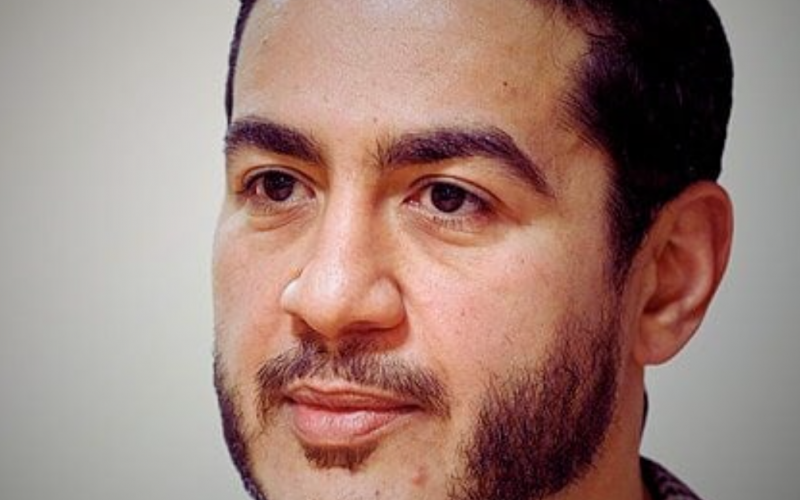
A Michigan Democrat running for U.S. Senate is facing significant backlash after audio recorded during an internal staff meeting became public.
The recording features candidate Abdul El-Sayed discussing why he intended to avoid making any public comment on the death of Iranian Supreme Leader Ali Khamenei.
Khamenei was killed during joint military action carried out by the United States and Israel.
His death prompted widespread political debate across the country, including within Michigan’s competitive Democratic Senate primary.
In the recording, El-Sayed is heard advising his team on how to navigate questions from reporters about the Iranian leader’s death.
El-Sayed outlined a deliberate strategy to redirect reporter questions away from the subject.
“I’m just gonna go straight to pedophilia, frankly,” he said in the recording. “I’ll just be like, ‘Pedophile president decides that he doesn’t like the front page news, so he decides to take us into another war.’”
El-Sayed also cited the Muslim population in Dearborn, Michigan, as a key reason for staying silent.
“I also want to remind you guys that there are a lot of people in Dearborn who are sad today,” he told his team. “So, like, I just don’t want to comment on Khamenei at all. Like, I don’t think it’s worth even touching that.”
The release of the recording drew swift condemnation from Republican officials, conservative commentators, and others across social media platforms.
Fox News radio political analyst Josh Kraushaar posted his reaction to the story on X. “Speaks volumes about the level of extremism within the El-Sayed coalition here,” Kraushaar wrote.
Michigan Republican Senate candidate Mike Rogers spoke to Fox News Digital about the audio. “Abdul continues to expose how extreme the Democrat party has become,” Rogers said.
The audio was first reported by the Washington Free Beacon.
Fox contacted El-Sayed’s campaign for comment. Attorneys at the Sandler Reiff law firm issued a statement to the Free Beacon on behalf of the campaign, claiming the recording was “obtained without the campaign’s permission” and “without knowledge that individuals were being recorded.”
The statement also noted the campaign was “considering its legal options against the individual in question.”
