

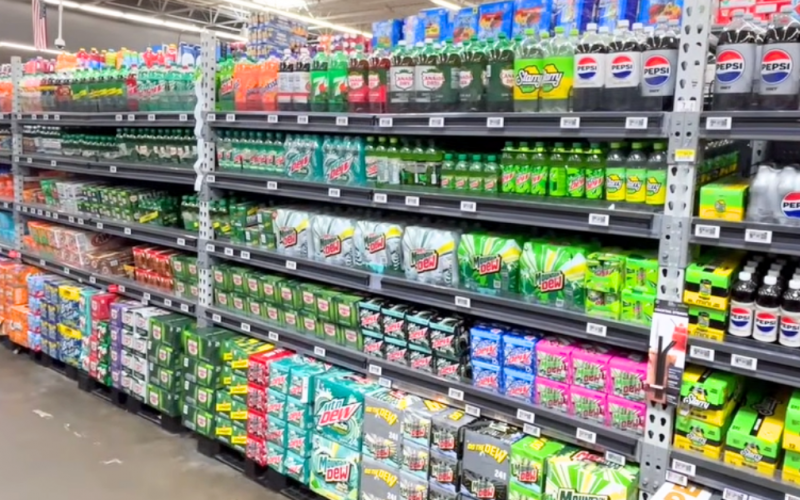
Cannabis-infused beverages are appearing on grocery and convenience store shelves across the country, raising concerns among doctors who warn the products can be easily mistaken for ordinary soft drinks and may increase the risk of accidental THC exposure, particularly among children.
The colorful cans, often marketed with branding similar to sparkling water, iced tea, or wellness beverages, contain tetrahydrocannabinol (THC), the psychoactive ingredient in cannabis that produces a “high.”
Experts say many products are labeled in small print or displayed without clear warnings, making them difficult to distinguish from non-intoxicating drinks.
During a recent survey of stores in New York City, STAT News found THC beverages displayed alongside sodas, coconut water, and other nonalcoholic drinks.
Most stores visited reportedly did not post warning signs identifying the beverages as intoxicating, and cashiers often did not request identification from customers purchasing them, despite state regulations restricting their sale.
Medical experts say the increasing availability of the drinks has coincided with more accidental poisonings involving children.
Researchers say accidental cannabis exposures among children have risen sharply.
One study found calls to U.S. poison centers involving cannabis exposure in children younger than 6 increased by more than 6,000 percent between 2009 and 2024, while exposures among children ages 6 to 12 increased by more than 13,000 percent.
“We’ve been seeing a huge increase in the number of kids ingesting the THC drinks as well as other THC products now that they’re easily accessible,” Dr. Rudy Kink, a pediatric emergency physician at Le Bonheur Children’s Hospital in Memphis, Tennessee, told STAT.
Kink estimated his hospital now treats four to five pediatric cases each week involving THC beverages or other cannabis products.
He said patients range from toddlers attracted to colorful packaging to teenagers experimenting with cannabis, with symptoms including confusion, lethargy, vomiting, and, in some cases, severe impairment requiring emergency care.
Researchers also say many consumers may not fully understand THC labeling or dosage amounts.
Jessica Kruger, a health educator at the University at Buffalo who studies cannabis use, said many people struggle to interpret cannabis labels and warned that hemp-derived THC products sold outside licensed dispensaries often are not subject to the same testing requirements as state-regulated marijuana products.
She said that can leave consumers uncertain about potency or possible contaminants.
Another concern involves how quickly cannabis beverages can affect users, according to HealthDay.
Johns Hopkins Medicine researcher Tory Spindle said his research indicates THC beverages can begin impairing users within 15 to 20 minutes—considerably faster than many traditional edible cannabis products, which often take an hour or more before effects begin.
He also warned that some consumers may unknowingly purchase THC beverages if they fail to recognize the labeling, creating potential dangers if they drive after drinking one.
The booming market stems largely from a loophole in the 2018 Farm Bill that legalized hemp-derived products, allowing companies to sell THC-infused beverages outside many state-regulated marijuana dispensaries.
The industry is expected to generate roughly $1.4 billion in sales this year, although the federal loophole is scheduled to close in November unless Congress acts.
While some researchers say THC beverages may help certain adults reduce alcohol consumption, physicians continue urging clearer labeling, stricter age verification, and stronger enforcement to reduce accidental exposure among children and other consumers.
