

A proposed Trump administration policy under discussion would use federal transportation authority to pressure sanctuary cities that limit cooperation with immigration enforcement, marking an escalation in federal immigration enforcement policy discussions.
The plan would restrict or suspend international flight processing at airports located in jurisdictions that refuse to fully cooperate with federal authorities, a move supporters describe as a rule-of-law response to enforcement noncompliance.
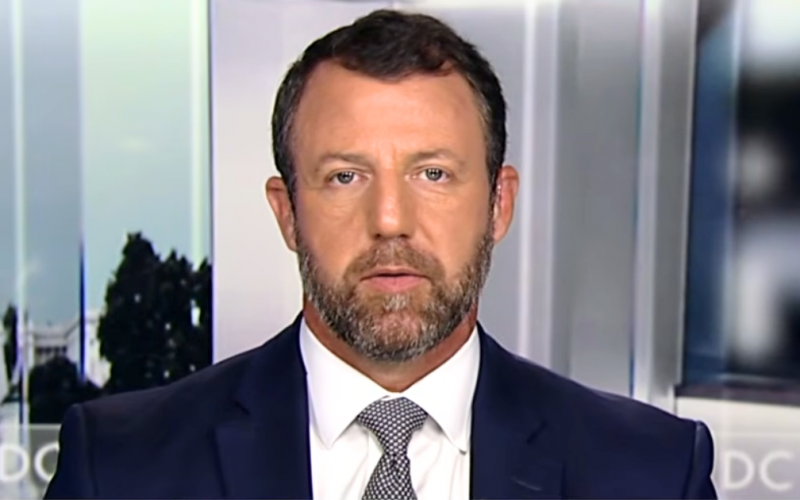
Homeland Security Secretary (DHS) Markwayne Mullin said the administration is currently evaluating the proposal but has not implemented it.
Speaking on Fox News with Sean Hannity, Mullin argued that federal services should not continue in jurisdictions that refuse to assist immigration enforcement priorities.
“We’re currently drawing up plans to say listen, in these sanctuary cities, where the local, radical left Democrats aren’t allowing us to do our job and enforce federal laws, then we shouldn’t be processing international flights into their cities either,” Mullin said, according to LifeZette.
He added, “Because they don’t want us to enforce immigration, but they want us to process immigration at their facilities? Nothing about that makes sense to me.”
Under the proposal, international flight processing and customs operations could be restricted at major airports in cities including New York, Los Angeles, Chicago, San Francisco, Boston, Seattle, Denver, Philadelphia, and Newark.
Those airports serve as key international entry points, handling both passenger travel and cargo operations tied to global commerce and tourism.
Any restrictions could therefore affect airline scheduling, customs procedures, and international travel flows through some of the busiest aviation hubs in the country, according to TIME.
Supporters say these airports depend heavily on federal coordination and contend that access to international travel infrastructure should be tied to compliance with immigration enforcement and data-sharing requirements.
The proposal reflects a broader enforcement strategy focused on addressing gaps in cooperation between some jurisdictions and federal immigration authorities, including limits on information-sharing with Immigration and Customs Enforcement (ICE) and refusals to honor federal detainer requests.
Administration officials say these policies create uneven enforcement of immigration law and complicate federal operations.
The discussion intensified following recent immigration-related protests, including demonstrations outside federal detention facilities in New Jersey.
The administration has pointed to such incidents as evidence of resistance in sanctuary jurisdictions, where local officials have clashed with federal authorities over enforcement operations and access to detention facilities, according to NJ.com.
Critics warn the proposal could disrupt air travel and commerce at major international hubs that handle significant passenger and cargo traffic, arguing that limiting federal processing at airports could create widespread logistical challenges across the aviation system and affect both airlines and travelers.
Sanctuary cities are generally defined as jurisdictions that limit cooperation with federal immigration authorities, often by restricting information-sharing or declining to fully honor ICE detainer requests.
Supporters of the administration’s approach maintain that such policies weaken immigration enforcement and create inconsistent application of federal law across different cities.
For now, officials say the proposal remains in the planning stage with no implementation timeline announced.
However, the idea has already intensified debate over federal authority, immigration enforcement consistency, and the role of transportation infrastructure in national immigration policy.
WATCH:
