

A sweeping internal breach at the Department of Homeland Security (DHS) has triggered alarm among federal law enforcement after sensitive personal data tied to thousands of immigration officers was allegedly leaked to an anti-ICE website.
The incident has prompted urgent questions about internal security and officer safety.
According to reports, the leak involved detailed records on approximately 4,500 Immigration and Customs Enforcement (ICE) and Border Patrol personnel, including names, work emails, job roles and phone numbers.
The information was reportedly passed to ICE List, a website openly dedicated to identifying and tracking federal immigration agents, soon after a high-profile enforcement action in Minneapolis.
ICE List founder Dominick Skinner told The Daily Beast that a DHS employee provided the data on Monday and that his volunteer-run database now contains a significant volume of sensitive information.
Skinner, who operates the site from the Netherlands and is outside U.S. jurisdiction, said early analysis suggested about 80 percent of those named were still employed by the department.
Skinner described the release of the data as a symptom of broader discontent within the government, claiming that recent events had pushed some individuals past the breaking point.
The leak follows a widely publicized enforcement operation in Minneapolis that resulted in the death of 37-year-old Renee Nicole Good, who authorities say was shot after allegedly attempting to ram ICE officers with her vehicle.
That incident has since become a rallying point for activist groups and has fueled nationwide protests and online campaigns targeting immigration enforcement.
ICE List has said it plans to publish most of the leaked information once it has been verified, though Skinner indicated the group might make limited exceptions for certain categories of employees.
He openly criticized ICE and Border Patrol, calling work for either agency morally indefensible and pledging case-by-case consideration for roles such as nurses or childcare workers.
Federal officials have condemned the alleged breach, warning that it comes amid what they describe as an unprecedented surge in threats and violence against immigration officers.
DHS has reported dramatic increases in death threats against ICE personnel—figures officials have said have climbed by as much as 8,000 percent—along with steep rises in assaults and vehicular attacks.
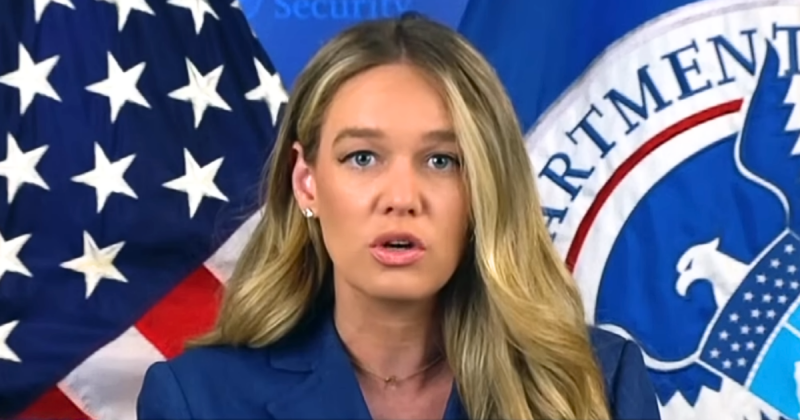
“Law enforcement officers are on the frontlines arresting terrorists, gang members, murderers, pedophiles, and rapists,” Assistant DHS Secretary Tricia McLaughlin told Just the News, asserting that publicizing officer identities endangers both officers and their families and reflecting broader departmental concerns.
In a separate statement to The Independent, McLaughlin said that the alleged breach “would constitute 4,500 felonies” and said the doxxing of officers placed lives at serious risk.
She reiterated that threats against law enforcement have surged dramatically in recent months.
The Independent reported that the ICE List database has grown significantly since the leak, now containing information on roughly 6,500 individuals.
The site also allows users to submit reports, photos and allegations against DHS personnel, broken down by state, and claims to document deportations and alleged abuses.
Skinner told The Daily Beast that tips identifying agents have increased since the Minneapolis incident, describing submissions from hotel staff, bartenders, and neighbors who believe they recognize DHS personnel.
The scope of the breach has intensified scrutiny of DHS’s internal safeguards and raised questions about potential criminal charges for those responsible for exposing agent identities.
Federal law makes it a felony to interfere with or assault officers engaged in official duties, and senior officials have signaled that accountability for exposing protected information remains a priority.
As investigations continue, DHS leaders say their focus remains on securing internal systems, protecting officers and their families and restoring trust within an agency facing mounting threats and internal strain.
