

Two Miami-Dade Sheriff’s Office officers who carried out one of South Florida’s largest drug-related cash seizures are now fighting a different kind of battle — this one inside a courtroom, against two of Hollywood’s biggest names.
Jason Smith and Jonathan Santana filed suit against Artists Equity and Falco Productions, the production companies tied to Ben Affleck and Matt Damon, over the Netflix crime drama The Rip.
The film debuted on the streaming platform in January 2026 and follows two Miami-Dade detectives who stumble upon $20 million in cartel money and expose rot inside their own department.
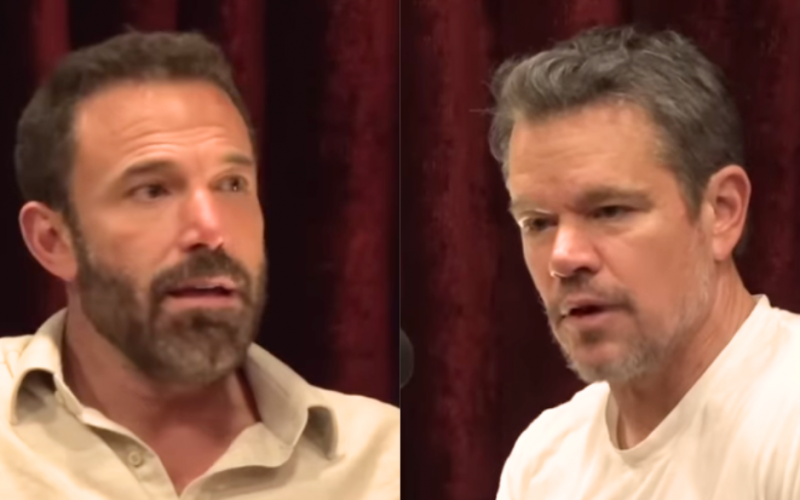
Affleck and Damon each star in the picture — Damon as Lt. Dane Dumars and Affleck as Detective Sgt. J.D. Byrne — characters the two real officers say the public has firmly planted on their faces.
Smith and Santana are not named anywhere in the film. Their lawsuit, reviewed by Entertainment Weekly, argues that omission means nothing.
The complaint states that the film draws so heavily from a real narcotics operation the two officers ran on June 29, 2016 — during which they seized more than $21 million — that audiences have drawn their own conclusions about who the story is really about.
Unique operational details, the Miami-Dade setting, and the narcotics team framework used in the film together create, according to the lawsuit, a reasonable inference connecting the fictional detectives directly to Smith and Santana.
That connection, the officers argue, has cost them dearly. The complaint describes “substantial harm to their personal and professional reputations” stemming from a film that the plaintiffs say implies “misconduct, poor judgment, and unethical behavior in connection with a real law enforcement operation.”
The legal claims brought against the production companies include defamation per se, defamation by implication, and intentional infliction of emotional distress.
The lawsuit singles out specific scenes as particularly damaging — among them, a sequence in which Affleck’s character shoots and kills a Drug Enforcement Administration agent, conduct the plaintiffs say has nothing to do with anything that actually occurred.
The Rip opens with a title card describing the project as “inspired by true events.”
Smith and Santana’s attorneys dispute that framing, stating in the complaint that beyond the bare fact of a large cash seizure having taken place, the events depicted in the film did not happen.
The damage, however, has already reached the officers’ personal lives.
Their attorneys allege that family members and colleagues have confronted Smith and Santana directly, suggesting the officers “must have used seized funds to complete personal property improvements, purchase vehicles and vessels, and afford private schooling for their children.”
Those conversations, the lawsuit argues, confirm that real people watching a fictional film have begun to assign the story’s criminal behavior to two real law enforcement officers.
Smith and Santana’s legal team did not wait for the film’s release to raise the alarm.
The complaint states that attorneys sent a cease-and-desist letter to the production companies in December 2025, laying out the allegedly defamatory elements and demanding that the film not be released.
The production companies waited until after The Rip was already streaming before responding, at which point they told the officers’ attorneys that the “concerns are unfounded because the film did not expressly name Sergeant Smith and there was no implication that the Plaintiffs engaged in any misconduct in the film.”
The officers’ legal team is now demanding a public retraction, a formal correction, and the placement of a prominent disclaimer directly on the film.
Smith and Santana are pursuing compensatory damages, punitive damages, and attorney fees.
Netflix distributed The Rip, but is not named as a defendant. The company declined to comment. Representatives for Affleck, Damon, and Artists Equity had not responded to press inquiries at the time of publication.
