

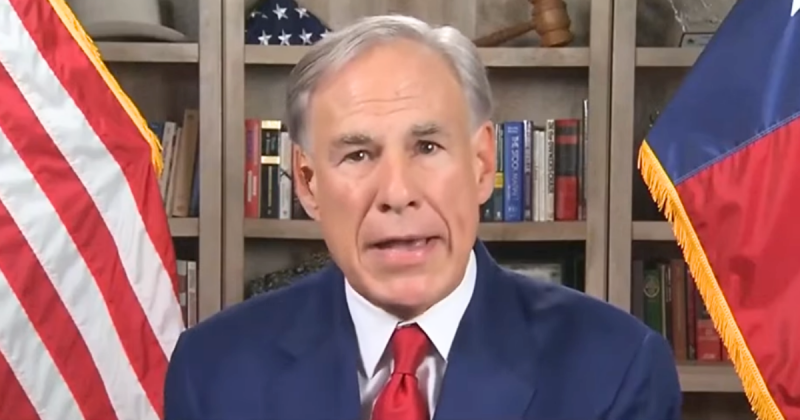
A recent case in Austin, Texas, involving a man accused of threatening elementary school students has prompted Gov. Greg Abbott (R) to push for broad reforms targeting what he calls “progressive district attorneys” who fail to prosecute serious offenders.
The accused, Michael Nnaji, reportedly has a lengthy criminal history yet has repeatedly been released or had charges reduced under local prosecutorial discretion.
According to records highlighted by the Austin Justice watchdog group, Nnaji allegedly banged on the locked doors of Padrón Elementary School in October 2024 as children arrived, shouting, “I’m going to go inside and kill, I’m gonna find a way to get in.”
Despite the severity of the threat, Nnaji was released on bond and later skipped court.
He was also arrested for trespassing at a local gas station on Dec. 3 but reportedly had the charges dismissed five days later while still facing the school threat case.
Abbott called for the creation of a Chief State Prosecutor position to centralize authority over cases that local DAs decline to pursue.
“I am calling for legislation that creates a Chief State Prosecutor to actually prosecute criminals like this that DAs in places like Austin refuse to prosecute,” Abbott said in a social media post. “Progressive DAs are literally leading to the murder of Texans.”
“Those DAs must be held accountable, and prosecutorial power must be shifted to actual prosecutors.”
Tech entrepreneur Elon Musk voiced support for Abbott’s proposal, writing on social media, “This is a great idea! I initially read this as ‘let’s prosecute DAs that refuse to prosecute,’ which is also a good idea.”
Under Texas law, elected district attorneys maintain discretion over which cases to pursue, according to The Blaze.
Critics of this system argue that leniency in certain jurisdictions has failed to safeguard public safety.
Austin Justice noted that since 2019, Nnaji has accumulated 34 separate cases, including seven felony evading arrests that were reduced or dismissed, four burglaries dismissed and a robbery reduced to a misdemeanor.
Nnaji’s criminal record reportedly includes unusual incidents, such as entering an apartment gym nude except for sandals, then throwing a heavy kettlebell through a glass office door.
His only prison time came from a two-year plea deal for aggravated assault with serious bodily injury, a crime that could have carried up to 20 years given prior convictions.
Abbott and supporters argue that repeated leniency undermines public trust and leaves communities, especially children, exposed to serious threats.
The proposed Chief State Prosecutor would have authority to step in where local DAs fail, ensuring that repeat offenders face consistent consequences.
The case has sparked a broader discussion in Texas over the balance of prosecutorial discretion, public safety and legislative intervention.
Abbott’s office emphasized that the reforms aim to protect Texans and restore confidence in the criminal justice system, particularly in jurisdictions where progressive DAs have been criticized for dismissing or reducing charges against repeat offenders.
By highlighting Nnaji’s alleged criminal history and the failures of local prosecution, Abbott’s proposal reflects growing concerns over how leniency in certain counties may compromise community safety and the legal system’s effectiveness.
The legislation, if enacted, would mark a significant shift in how serious crimes are prosecuted statewide.
