

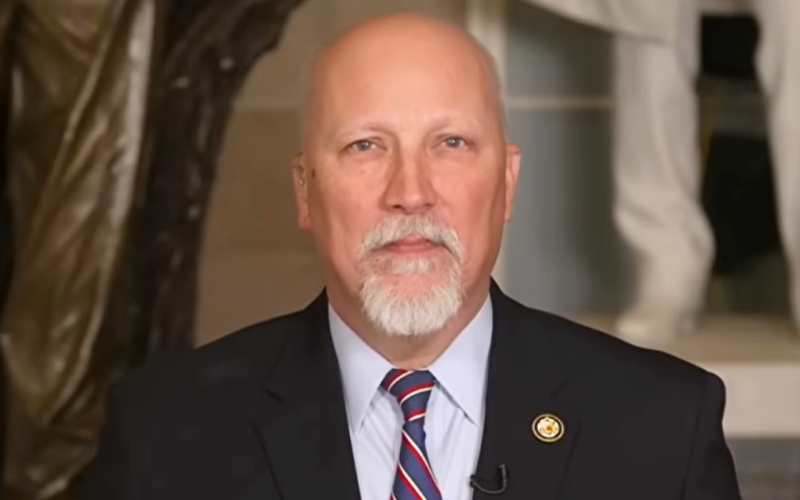
Rep. Chip Roy (R-TX) has introduced new legislation aimed at tightening U.S. visa eligibility for certain foreign religious leaders, arguing the measure is necessary to prevent the entry of individuals who promote extremist ideology or hostility toward the United States.
The proposal comes amid broader national debates over immigration enforcement, national security, and religious visa oversight.
The legislation, titled the Inhibiting Militant Adversarial Mullahs (IMAM) Act, would amend federal immigration law to bar individuals holding specific Islamic religious leadership titles from receiving nonimmigrant religious worker visas.
The affected categories would include Imams, Shaykhas, Muftis, Ayatollahs, and Grand Ayatollahs, according to The Daily Signal.
Roy framed the bill as a response to what he described as longstanding vulnerabilities in the visa system that allow foreign clerics to enter the United States while promoting anti-Western or extremist messaging.
“The United States should never roll out the red carpet for foreign clerics who preach anti-American hatred, celebrate terrorism, or serve as mouthpieces for radical regimes,” Roy said in a statement.
He further argued that some individuals have exploited religious visa pathways to gain entry while advancing political or ideological agendas incompatible with American values.
“For years, adversarial religious figures have manipulated loopholes in our immigration laws to enter this country under so-called religious visas while spreading extremism,” Roy said.
Under the proposal, the Immigration and Nationality Act would be revised to restrict admission for religious leaders deemed to be promoting ideology considered hostile to U.S. constitutional principles or Western governance frameworks, according to Texas Politics.
Supporters of the measure argue it would close gaps in existing oversight mechanisms tied to religious worker visa classifications.
Roy, a co-founder of the congressional Sharia Free America Caucus, has long focused on issues involving immigration enforcement and ideological extremism.
His office said the legislation is part of a broader effort to address national security risks tied to foreign influence and religiously framed political movements.
The bill has drawn on historical examples frequently cited in national security debates, including cases involving foreign-born clerics who later became associated with extremist organizations after residing in the United States.
One widely referenced example is Anwar al-Awlaki, an imam who later became linked to jihadist propaganda and was connected by investigators to extremist messaging targeting the United States.
Roy’s office also cited past sermons by U.S.-based religious leaders that have generated controversy over interpretations of political and religious messaging.
These examples were presented as part of the broader rationale for tightening visa scrutiny and preventing potential radicalization pathways.
The proposal comes as Congress continues to debate immigration policy and national security measures, particularly those involving vetting standards for foreign nationals entering the country under specialized visa programs.
Supporters of the bill argue that current systems may not adequately identify ideological risks posed by certain applicants entering under religious worker categories, while critics of similar proposals in past debates have raised concerns about religious freedom protections and overbroad classifications.
Roy said the intent of the legislation is preventative rather than punitive, emphasizing what he described as the need to stop extremist ideology before it reaches American communities.
“If you promote the values of enemies of the West, you should not get a visa to come to the United States—period,” he said.
The bill now enters the early stages of the legislative process, where it is expected to face scrutiny as part of broader discussions over immigration restrictions, national security policy, and the balance between security concerns and religious liberty protections.
WATCH:
