

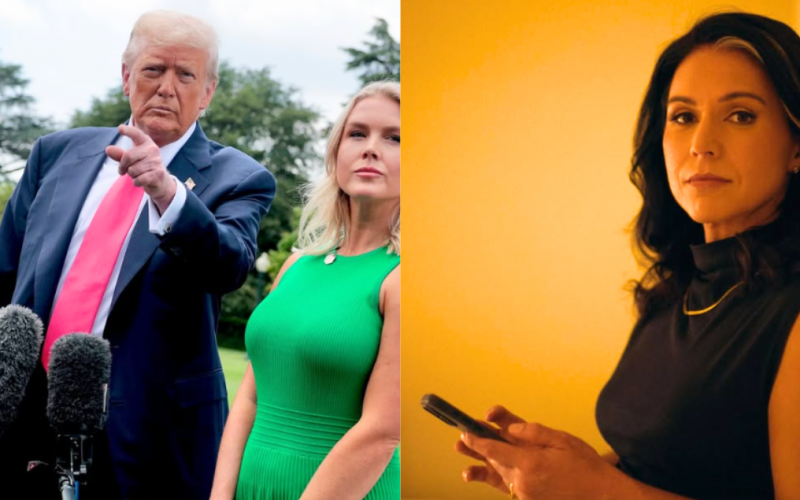
A classified whistleblower complaint targeting Director of National Intelligence Tulsi Gabbard has taken an unexpected turn with revelations that Jared Kushner was discussed in an intercepted foreign phone call at the heart of the controversy.
The New York Times reported Thursday that Trump’s son-in-law was mentioned in a conversation between two foreign nationals regarding Iran. A foreign intelligence agency intercepted the call and provided it to United States officials last May.
The precise details of the conversation remain classified. However, sources indicate the call contained allegations about Kushner that officials described as potentially “significant if verified.”
A senior US official speaking to the Daily Mail characterized the claims as “nothing more than salacious gossip.” The official’s comments suggest skepticism within intelligence circles about the substance of the allegations.
The whistleblower filed a complaint in May accusing Gabbard of limiting access to the intercepted communication for political motivations. The complaint has since become one of the most closely guarded secrets in Washington.
Intelligence officials kept the complaint locked in a safe for eight months due to its sensitive nature. Kushner’s involvement, previously unreported, adds another layer of complexity to an already murky situation.
The timing presents significant complications. Kushner currently serves as Trump’s Middle East envoy and is spearheading crucial negotiations with Iran aimed at halting the country’s nuclear enrichment activities. The 45-year-old real estate investor also maintains active business ventures throughout the Middle East region.
Congressional leaders received their first briefing on the complaint last week. The briefing occurred as Trump had been planning Operation Midnight Hammer, a proposed bombing campaign targeting Iran’s nuclear infrastructure scheduled for late June.
The National Security Agency initially redacted Kushner’s name in the original report. Despite the redaction, the whistleblower and other readers could determine the reference was to Kushner based on contextual information.
Intelligence sources told the Times that Kushner was discussed in relation to his role and influence within the Trump administration. The conversation apparently centered on his position and decision-making authority.
The intercepted phone call included unsubstantiated allegations about Kushner, according to intelligence sources familiar with the matter. Officials declined to reveal specific contents, citing concerns about exposing the highly classified intelligence source.
Intelligence experts note that intercepts of this nature present interpretation challenges without supporting evidence from documents or human intelligence assets on the ground. The conversation alone may not provide sufficient context for definitive conclusions.
The whistleblower maintained that the information warranted broader distribution within the intelligence community. Gabbard disagreed with this assessment, as did the NSA’s top lawyer and the intelligence community’s inspector general.
The Wall Street Journal first reported the complaint’s existence last week, comparing the situation to “a cloak-and-dagger mystery reminiscent of a John le Carré novel.” The comparison highlighted the unusual secrecy surrounding the matter.
The Gang of Eight, a select bipartisan group of lawmakers who receive classified intelligence briefings, reviewed a heavily redacted version of the complaint last Tuesday. The review occurred under strict “read-and-return” protocols.
Inspector General Christopher Fox informed lawmakers in a publicly released letter that his predecessor had “administratively closed” the complaint in June without further action. The Daily Mail has highlighted that Fox indicated he likely would not classify the allegations as meeting the statutory definition of “urgent concern” if reviewing the matter today.
Fox previously served as an aide to Gabbard before assuming the inspector general role following Trump’s removal of Biden-appointed watchdogs. He briefed Congress only after receiving final approval from the Director of National Intelligence.
