

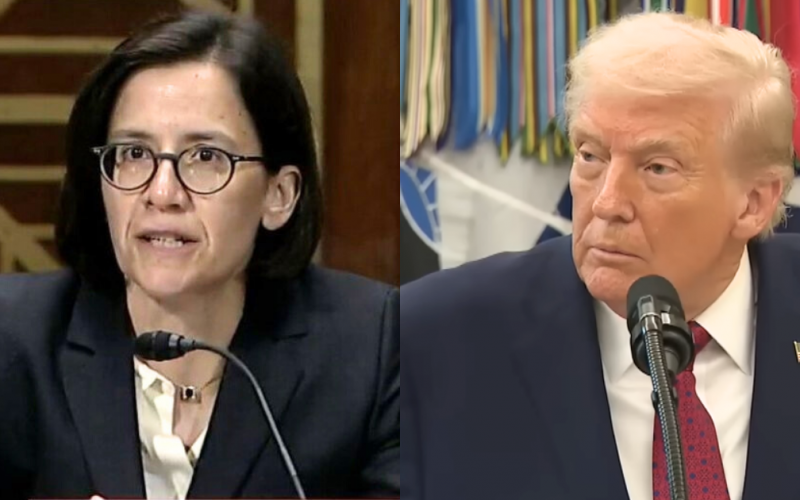
The Department of Homeland Security (DHS) announced Monday it will appeal to the Supreme Court after a federal judge blocked the Trump administration’s effort to end Temporary Protected Status (TPS) for Haitian nationals.
U.S. District Judge Ana Reyes, a Biden appointee, issued an injunction indefinitely halting the termination, ruling that DHS Secretary Kristi Noem had not provided sufficient justification for ending protections for more than 350,000 Haitians living legally in the United States.
TPS was originally granted following Haiti’s 2010 earthquake, allowing recipients to live and work legally in the U.S. while shielding them from deportation.
Assistant Secretary Tricia McLaughlin defended the administration’s position on X, emphasizing that the designation was never intended to be permanent.
“Temporary means temporary, and the final word will not come from an activist judge legislating from the bench,” she wrote.
The ruling arrived just hours before the protections were set to expire, providing a temporary reprieve for Haitian nationals who have built communities across the country.
Residents in Springfield, Ohio, noted relief at the temporary pause but emphasized that compliance with federal immigration law remains essential for all residents, The Columbus Dispatch reported.
Local faith leaders and community organizations stepped in to provide guidance and resources to TPS holders navigating the court’s ruling.
Judge Reyes noted that DHS did not consult certain government entities, including the U.S. Ambassador to Haiti, the Department of State, and Congress, before issuing the termination.
The court referenced social media posts by Noem describing immigrants in strong terms, though DHS maintains that its decision followed statutory authority and national interest guidelines.
The court declared the termination “null, void, and of no legal effect” while the lawsuit proceeds, highlighting the legal stakes for hundreds of thousands of people.
McLaughlin emphasized that DHS’s review aligns with national interest considerations and cited improvements in Haiti, including the deployment of a multinational force to combat gang violence.
“Supreme Court, here we come. This is lawless activism that we will be vindicated on,” she wrote, reiterating that TPS is temporary by design.
Haiti’s TPS has been extended multiple times since 2010 due to ongoing political instability and criminal violence.
While some advocates claimed conditions remain unsafe, the administration maintains that improvements in Haiti and national interest considerations justify ending the program.
Similar protections for Venezuelans, Central Americans, and select Ukrainians have already been revoked as part of broader enforcement efforts, NPR noted.
Judge Reyes cited the economic contributions of TPS holders, though DHS maintained its decision focused on statutory authority and national interest, rather than individual financial considerations.
The judge noted that DHS did not fully review the potential effects on communities, though the department’s review followed statutory guidance and national interest priorities.
The case highlights the need for courts to respect statutory authority, as DHS officials prepare an appeal to ensure enforcement of federal immigration law is not undermined by judicial overreach.
The Supreme Court’s ruling will determine the legal status of hundreds of thousands of Haitians currently protected under TPS, setting a precedent for how the program is administered and shaping the enforcement of federal immigration law.
