

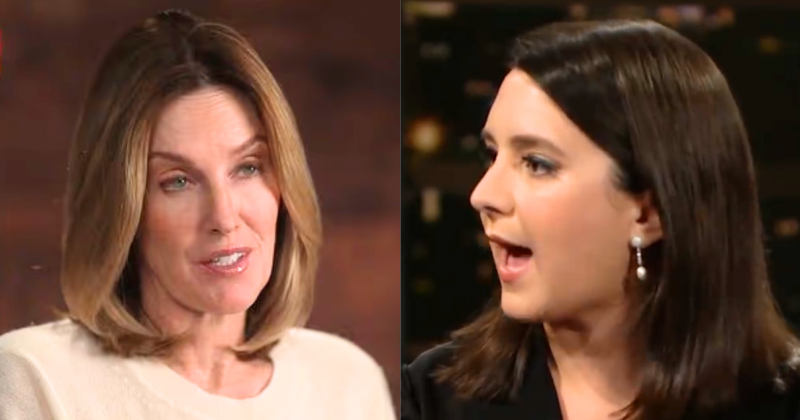
A seasoned CBS News correspondent publicly challenged her network’s leadership after an investigation into Venezuelan deportations vanished from the broadcast schedule with minimal notice.
Sharyn Alfonsi, who joined 60 Minutes nearly a decade ago, sent a pointed message to fellow correspondents after CBS News editor-in-chief Bari Weiss removed her investigative piece from Sunday’s lineup.
The segment examined the deportation of Venezuelan nationals to El Salvador’s CECOT detention facility.
The canceled investigation featured accounts from Venezuelan men who believed their destination would be their homeland.
Instead, they arrived at CECOT, a facility they characterized as “brutal and torturous.”
Viewers saw a completely different story instead, as the program broadcast a profile of classical musicians from Nottingham, England.
Alfonsi distributed her concerns through an internal message that reached prominent network figures including Lesley Stahl, Scott Pelley and Anderson Cooper.
The correspondent stated she “asked for a call” with Weiss “to discuss her decision,” but “she did not afford us that courtesy/opportunity.”
The reporter outlined her team’s adherence to established journalism protocols in the message, which both the Wall Street Journal and the New York Times obtained.
She noted her team requested responses from the White House, State Department and Department of Homeland Security.
Alfonsi expressed concern that blocking the segment represented more than editorial judgment.
The correspondent wrote that she “care[s] too much about this broadcast to watch it be dismantled without a fight.”
The reporter informed colleagues that the investigation underwent multiple reviews.
Alfonsi stated in the email that the segment was “screened five times and cleared by both CBS attorneys and Standards and Practices. It is factually correct.”
She added: “In my view, pulling it now, after every rigorous internal check has been met, is not an editorial decision, it is a political one.”
Weiss rejected characterizations that her choice stemmed from political considerations.
The editor-in-chief described her action as routine newsroom practice.
“My job is to make sure that all stories we publish are the best they can be. Holding stories that aren’t ready for whatever reason — that they lack sufficient context, say, or that they are missing critical voices — happens every day in every newsroom,” she told the Times.
She concluded: “I look forward to airing this important piece when it’s ready.”
Alfonsi countered that the investigation faced cancellation solely because Trump administration officials declined interview requests.
She warned that accepting this rationale would give government officials unprecedented control.
The correspondent argued that if the “standard for airing a story becomes ‘the government must agree to be interviewed,’ then the government effectively gains control over the 60 Minutes broadcast.”
She continued: “We go from an investigative powerhouse to a stenographer for the state.”
The reporter emphasized the personal risk taken by her sources.
Alfonsi declared that the men she interviewed “risked their lives” by participating.
“We have a moral and professional obligation to the sources who entrusted us with their stories,” Alfonsi said.
“Abandoning them now is a betrayal of the most basic tenet of journalism: giving voice to the voiceless.”
A CBS News source told Deadline that network officials determined the CECOT segment “needed additional reporting.”
