

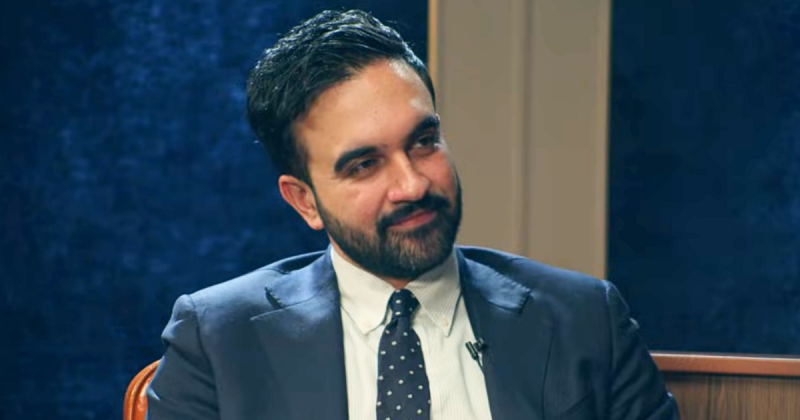
Newly elected New York City Mayor Zohran Mamdani will halt sweeps of homeless encampments once he takes office in January, marking a sharp departure from outgoing Mayor Eric Adams’ 2022 strategy.
The 34-year-old mayor-elect emphasized that the city must prioritize permanent housing solutions rather than displacement, signaling a major policy reorientation.
“If you are not connecting homeless New Yorkers to the housing that they so desperately need, then you cannot deem anything you’re doing to be a success,” Mamdani said, stressing supportive housing, rental assistance, and long-term solutions.
His plan includes building 200,000 new rent-frozen housing units across the city to provide a lasting path off the streets, including accommodations for families and minors living without stable housing.
The policy reversal follows a 2023 audit by New York City Comptroller Brad Lander, a Mamdani ally, which found Adams’ encampment sweeps largely failed to transition homeless individuals into housing programs.
Of the 2,308 people affected, only 119 accepted temporary shelter and one-third of cleared sites saw homeless activity return, according to The Post Millennial.
Lander concluded, “By every measure, the homeless sweeps failed,” highlighting the limited efficacy of removal-focused policies and the risk of repeating past mistakes.
Critics of Mamdani’s plan warn that streets could become overcrowded before any housing is available.
Estimates suggest the 200,000-unit plan could cost upwards of $100 billion, with funding and construction timelines unclear.
Opponents also caution that a rapid rollback of encampment sweeps could exacerbate public safety, sanitation and quality-of-life concerns in neighborhoods experiencing high visibility of homelessness, the Daily Mail notes.
New York City currently has one of the nation’s largest homeless populations, with roughly 158,000 people living without stable housing—a 34 percent increase from 2019 to 2024, according to USA Facts.
Adams justified his 2022 policy by citing public safety concerns and the city’s national reputation, which he claimed had become a “laughingstock” due to visible homelessness.
The strategy sparked protests and debates over balancing enforcement with social services, including mental health care and substance abuse treatment.
Mamdani’s decision also highlights broader disagreements with Adams on city governance.
Both have clashed over issues including anti-antisemitism legislation and the city’s stance on the Boycott, Divestment, and Sanctions (BDS) movement, reflecting a widening ideological divide.
Policy experts say this ideological split could influence the prioritization of city resources and affect how homelessness, public safety and housing policies are implemented in the coming years.
Experts note that effectively addressing homelessness requires more than construction.
Comprehensive support services—including mental health care, substance abuse treatment, employment assistance and family support—are critical to ensure that vulnerable populations, including minors and senior citizens, successfully transition into stable housing.
Successfully executing Mamdani’s ambitious housing agenda will depend on aligning these services with infrastructure development.
By halting sweeps and focusing on permanent housing, Mamdani signals a shift in New York City’s approach to homelessness—prioritizing sustainable solutions over temporary measures.
Mamdani’s incoming administration faces the challenge of balancing immediate public safety concerns with the long-term goal of reducing street homelessness, making the coming months a critical test of policy execution and administrative coordination.
Whether his vision can be implemented effectively will be a defining question for city residents and policymakers alike.
WATCH:
