

A surge in immigration arrests in Washington, D.C., has become a central factor in a federal court ruling challenging the Trump Administration’s enforcement strategy.
Between Aug. 7 and Sept. 9, officials made 943 detentions—over 40 percent of all arrests in the District during that period—highlighting the scale of the administration’s August “crime emergency” initiative and prompting judicial oversight.
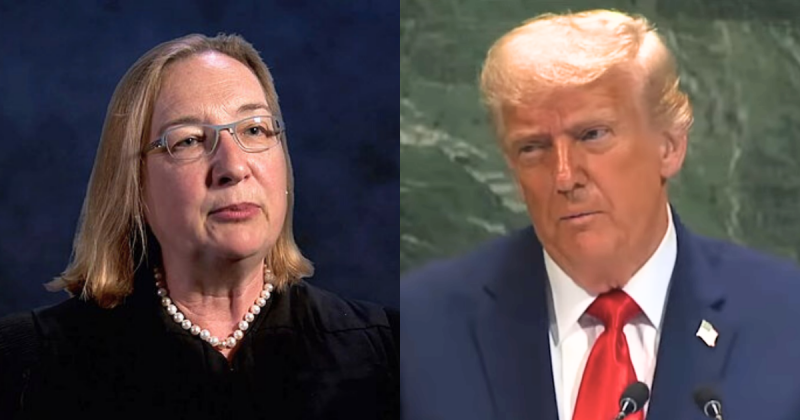
On Tuesday evening, U.S. District Judge Beryl Howell, an Obama appointee, issued a decision sharply restricting when federal agents may arrest individuals without a warrant, delivering a major legal setback for President Trump’s efforts to end the city’s so-called “sanctuary” policies.
The judge directly tied her ruling to the president’s enforcement push, noting the case stemmed from actions intended to ensure the District “will no longer be a sanctuary for illegal alien criminals.”
This decision represents the second significant judicial obstacle to the administration’s enforcement approach.
Last month, another Obama-appointed judge in Colorado blocked similar warrantless arrests, complicating DHS operations as the agency continues its pause on immigration from 19 travel-ban countries, according to The Gateway Pundit.
Howell issued a preliminary injunction barring immigration officials from detaining individuals without first determining whether the person presents a credible risk of fleeing before an administrative warrant can be obtained.
While federal law provides broad authority to immigration agencies, the judge concluded that the manner in which it was applied in Washington likely violated constitutional protections, Courthouse News reports.
In addition to the injunction, Howell certified a class of affected individuals she called the “Unassisted Escape Risk Class,” encompassing anyone arrested without a warrant after Aug. 11 who did not receive an individualized assessment of flight risk.
The lawsuit at the center of Howell’s ruling was filed by CASA, Inc., along with noncitizens holding temporary protected status or seeking asylum, according to Politico.
Plaintiffs claimed that authorities in Washington adopted an “arrest first, ask questions later” policy in August—a position Howell found credible based on testimony and public statements from officials.
Citing public remarks by White House Deputy Chief of Staff Stephen Miller and Border Patrol Chief Gregory Bovino, Howell noted that agents were operating under a “reasonable suspicion” standard rather than probable cause.
She described the statements as “blatant misstatements” of the law and rejected Justice Department attempts to dismiss them as misunderstandings.
The ruling emphasized that these comments reflected a deliberate enforcement policy rather than ignorance.
Howell dismissed the government’s claim that senior officials lacked legal expertise, calling the argument “remarkable” and noting that the arrest patterns indicated intentional policy decisions.
Her opinion also criticized DHS for allowing agents to make arrests without clearly identifying themselves, which Howell said appeared “intended to terrorize.”
She stressed that documenting who carried out each arrest and the reasons for it sets the baseline standard for constitutional compliance.
Howell further scrutinized the administration’s rhetoric, noting that repeated use of terms such as “criminal” and “alien” warranted close scrutiny.
She suggested this language played a decisive role in shaping the policies that prompted the legal challenge.
Taken together, the injunction, class certification and broader findings demonstrate increasing judicial oversight of the Trump Administration’s efforts to dismantle sanctuary protections in the nation’s capital.
The ruling makes clear that even during a declared emergency, immigration enforcement must adhere to constitutional safeguards.
