

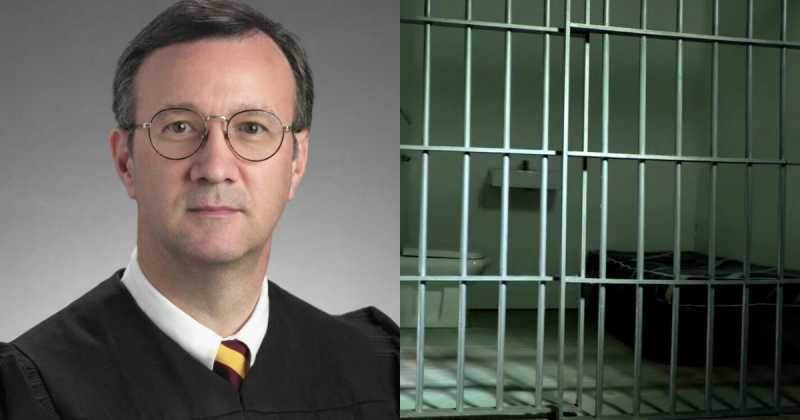
A Texas federal court has issued a landmark ruling barring male inmates who identify as women from entering female-only privacy areas within a women’s prison, citing concerns over safety, privacy and dignity.
On Nov. 17, U.S. District Judge Sidney Fitzwater of the Northern District of Texas signed a temporary restraining order directing Federal Medical Center-Carswell in Fort Worth—home to female inmates with specialized mental and health needs—to prevent “any male inmate within the general female population … from entering any female-only privacy area” where the plaintiffs are or will be housed.
The order follows a lawsuit filed by inmates Rhonda Fleming and Miriam Crystal Herrera, who argued that prior policies caused daily humiliation and, in some cases, physical harassment from trans-identifying male inmates.
The decision, which was reported by LifeSiteNews, requires FMC Carswell to enforce housing assignments based on biological sex and to segregate trans-identifying male inmates from female prisoners, restricting access to shared showers, bathrooms and dormitories.
Fleming and Herrera framed their legal action as a defense of “women’s rights to safety, dignity, and bodily privacy.”
Legal analysts say the ruling marks a significant judicial statement in the ongoing debate over how correctional systems accommodate gender identity while protecting female inmates.
Federal law already establishes safeguards in such situations.
The Prison Rape Elimination Act of 2003 (PREA) requires individualized risk assessments for inmates whose gender identity differs from their biological sex when determining housing, shower or other facility access.
PREA guidelines emphasize privacy and abuse prevention, though critics argue that assigning inmates solely based on gender identity can compromise these protections and overall safety.
The Texas ruling may set a nationwide precedent, signaling that courts could increasingly prioritize women’s privacy and security in housing decisions.
Supporters say the decision aligns with statutory protections and reduces harassment risks, while opponents warn that trans-identifying male inmates may face heightened vulnerability if placed in male facilities or segregated units.
Corrections departments could now encounter greater pressure to develop policies that carefully weigh competing needs while maintaining safety and dignity.
Documented cases have raised concerns over the placement of trans-identifying male inmates in women’s prisons.
Resist the Mainstream previously reported that a female inmate at the Washington Corrections Center for Women claimed she was raped by an individual identified as “a male identifying as female,” who had formerly been housed in a male facility.
In California’s Central California Women’s Facility, a male convict identifying as female, Tremaine Carroll, was charged with raping a female inmate in the shower.
At New York’s Rikers Island, a civil lawsuit claimed a trans-identifying man allegedly raped a female inmate despite prior staff warnings, according to NBC New York.
These incidents have fueled debates over safety, privacy and housing policies for female prisoners.
By combining legal precedent, federal guidelines and documented incidents, the case highlights the broader challenge of addressing gender identity in correctional settings while prioritizing protection for vulnerable populations.
The FMC Carswell decision represents a pivotal legal moment with potential implications for prison policies across the United States.
